
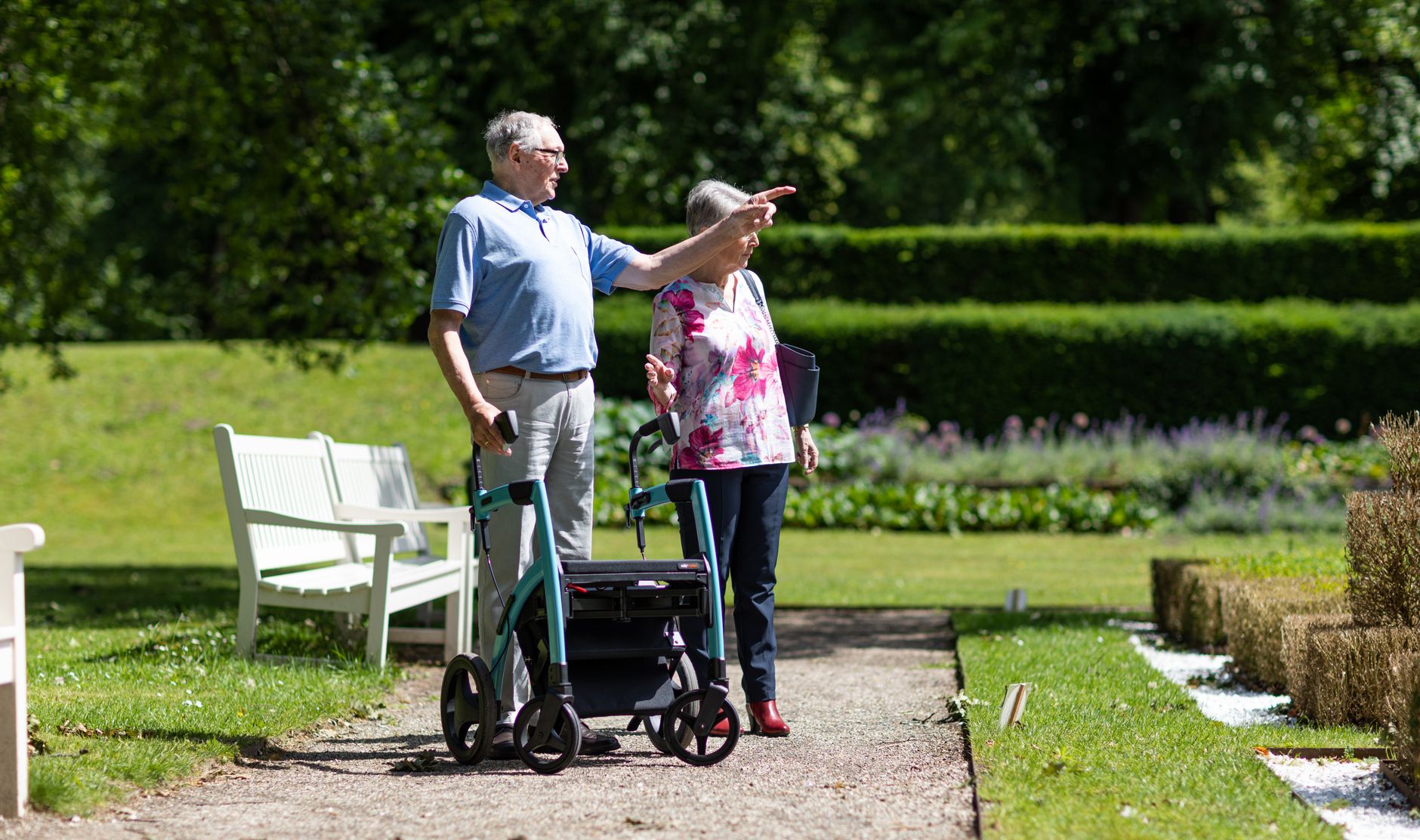
7,000 steps a day: the underestimated longevity dose
10,000 steps a day — that target comes from a marketing campaign, not from science. A large meta-analysis shows: around 7,000 steps are already associated with a significantly lower risk of mortality. And why everyday movement is one of the most accessible longevity levers.
Where does the 10,000-step figure come from?
The daily target of 10,000 steps does not come from a study but from a Japanese marketing campaign in the 1960s. The pedometer being advertised at the time was called «Manpo-kei» (万歩計) — literally «10,000-step meter». Catchy and memorable, but not scientifically grounded.
The target has persisted worldwide in fitness apps and wearables. Research in recent years now paints a more nuanced — and for many people, more encouraging — picture.
What a Lancet meta-analysis actually shows
One of the most comprehensive analyses to date on this topic examined 15 international cohort studies with almost 50,000 adults (Paluch et al., 2022, Lancet Public Health). The key finding: around 7,000 steps per day was already associated with a significantly lower mortality risk compared to fewer than 3,500 steps.
In adults under 60, the benefits continued to increase up to around 10,000–11,000 steps. In people aged 60 and over, the benefit levelled off at around 7,000–8,000 steps — more steps brought little additional effect. The takeaway: the biggest gain comes from going from «none» to «7,000».
Why walking is so effective
Walking more each day simultaneously improves several health parameters: blood pressure, insulin sensitivity, inflammatory markers, and cardiorespiratory fitness. This holds even when the steps are spread throughout the day — taking the stairs instead of the lift, a walk at lunchtime, an evening stroll.
A further analysis among US adults showed that more steps were associated with lower mortality risk across all age groups — even at a moderate pace (Saint-Maurice et al., 2020, JAMA). Walking requires no equipment, no membership fee, and no fixed time slot — which is exactly what makes it an underestimated longevity lever.
Does intensity also matter?
Yes — but volume counts more than intensity. Faster steps have a slightly stronger effect than slower ones, as a study in older women showed (Lee et al., 2019, JAMA Internal Medicine): 7,500 steps per day were associated with significantly reduced mortality; a faster step pace made an additional, smaller contribution.
In practice this means: first increase the total volume, then the pace. Brisk walks or short walking intervals — fast, then normal — combine both well.
How to fit more steps into your day
The most effective lever is not the extra workout but baseline activity: getting off one stop earlier, taking calls while walking, fetching lunch on foot. If you work at a desk, you can build in hourly standing and walking breaks — even three minutes of walking per hour adds up over the course of the day.
A simple tracker — even your smartphone will do — helps you get started and makes progress visible. A realistic entry target: 500 more steps per day than today, increasing the number slightly each week. This content is general, study-based information and is not a substitute for medical advice.
That was the snapshot. The app turns it into daily support.
Measure every day instead of calculating once: Vito or Vita puts your numbers in context, builds you a weekly plan and speaks up when something stands out.
Launching at the end of 2026 — iPhone first, Android to follow. Let me know when it’s out ↓
Sources
- Paluch AZ et al. Daily steps and all-cause mortality: a meta-analysis of 15 international cohorts. Lancet Public Health, 2022.
- Lee IM et al. Association of Step Volume and Intensity With All-Cause Mortality in Older Women. JAMA Intern Med, 2019.
- Saint-Maurice PF et al. Association of Daily Step Count and Step Intensity With Mortality Among US Adults. JAMA, 2020.