Antioxidants: What Vitamin C, E and Beta-Carotene actually do
Antioxidants are seen as guardians against free radicals and ageing. What is behind this concept — and why have large clinical trials with antioxidant supplements so often disappointed?
What free radicals and antioxidants are
Free radicals are unstable molecules that form during metabolism — when breathing in oxygen, during physical exertion, inflammation, and the detoxification of foreign substances. They have an unpaired electron and react quickly with other molecules, which can damage cell structures, DNA and proteins. This process is called oxidative stress.
Antioxidants are molecules that intercept or neutralise free radicals by donating the missing electron without becoming dangerously reactive themselves. Vitamin C, Vitamin E and beta-carotene are the best known. But the body also produces its own antioxidants — most notably glutathione, superoxide dismutase and catalases. These endogenous systems are often more powerful than externally supplied antioxidants.
Why large RCTs with supplements disappointed
In the 1980s and 1990s, the observation that people with high fruit and vegetable consumption developed cancer less frequently led to the hypothesis: if you supplement isolated antioxidants, the protective effect should occur. The ATBC study (1994) tested beta-carotene in smokers — result: the risk of lung cancer increased in the supplement group. The CARET study confirmed this unexpected finding.
The HOPE Trial examined Vitamin E in people with cardiovascular risk. No protective effect. The SELECT Trial tested selenium and Vitamin E for cancer prevention — Vitamin E slightly increased the risk of prostate cancer. The common pattern across these large randomised studies: antioxidant supplements in high doses provide no consistent benefit — and can cause harm.
Why foods still protect
The contradiction is only apparent: foods like berries, vegetables and nuts contain not just isolated antioxidants, but hundreds of compounds that work together. This interplay — and the respective dosing — cannot be replicated in a capsule. Moreover, the body regulates redox status in a complex way: too many external antioxidants can suppress the body's own protective systems.
There is another factor: free radicals are not only harmful. In moderate amounts — such as after exercise — they are signalling molecules that trigger adaptations. Taking high-dose antioxidants after training can dampen the training adaptation (more mitochondria, better insulin sensitivity). This is shown by studies by Goran Paulsen and colleagues, who found reduced training adaptation after high-dose Vitamin C and E supplementation.
What makes sense — and what doesn't
Vitamin C from food (peppers, broccoli, kiwi, citrus fruits) is sensible and well supported — including for collagen synthesis, immune function and iron absorption. The daily requirement is 95 to 110 mg, which is easily met with a portion of peppers or two kiwis. High-dose Vitamin C supplements of several grams per day show no additional benefit and increase the risk of kidney stones.
Vitamin E from nuts, germ oils and green leafy vegetables is important — however, deficiency is rare in industrialised countries. Beta-carotene from carrots, sweet potatoes and spinach is a useful provitamin A source, without the risks of synthetic beta-carotene supplements. The conclusion is consistent: whole foods yes, megadoses as supplements no.
What you can do in practice
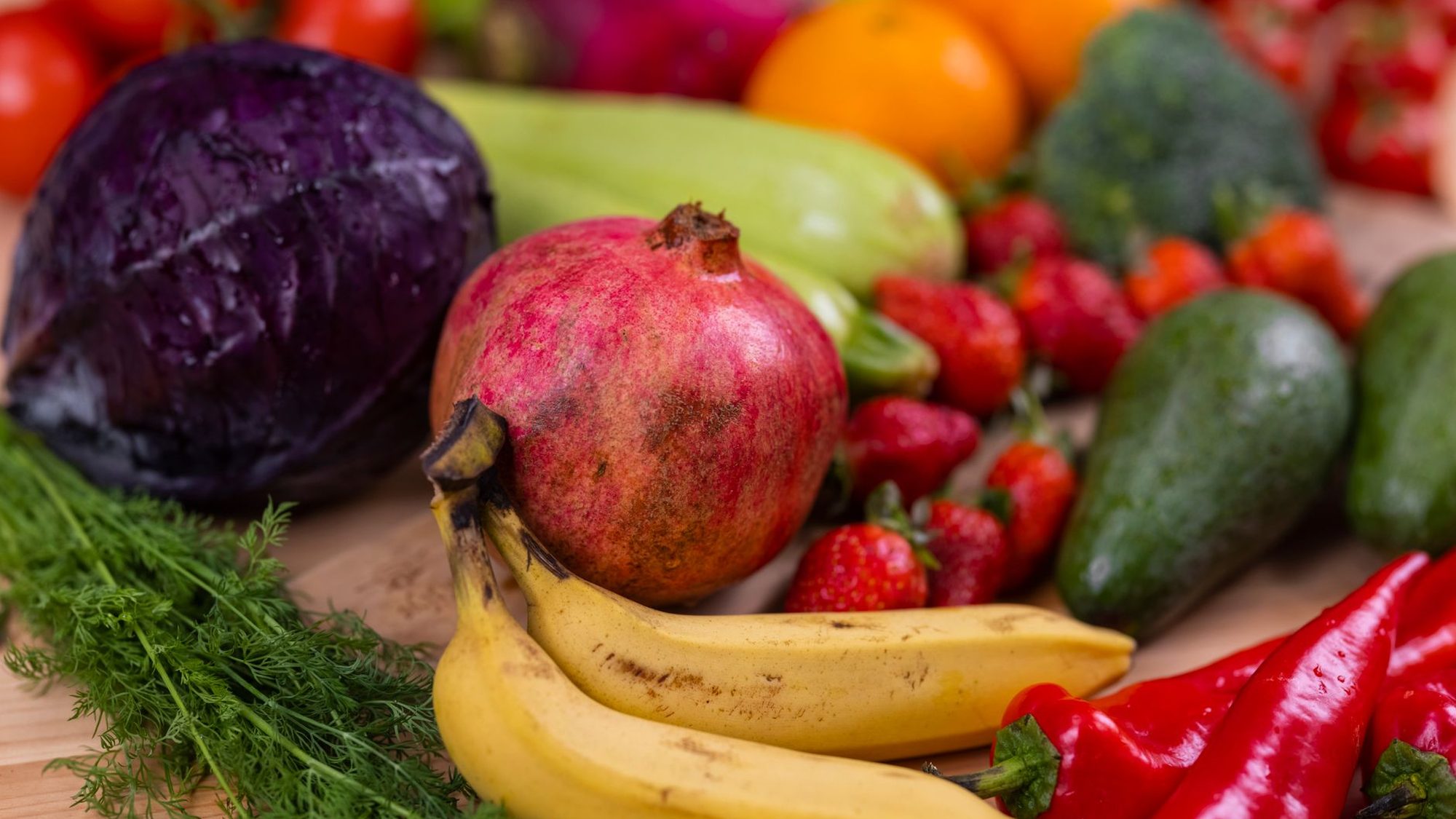
Instead of buying supplements: eat vegetables and fruit in a variety of colours every day. The different colours signal different antioxidant families — red lycopene in tomatoes, orange beta-carotene in carrots, blue anthocyanin in berries, green lutein in spinach. Anyone who has five colours on their plate each day is well set up. This is not an exotic diet, but the most solid protection research knows of.
Supplementing Vitamin C is usually not necessary with a balanced diet. If you catch a cold and take extra Vitamin C, this is harmless — however, based on current evidence, it has no measurable therapeutic effect. One exception: people under extreme physical stress, such as marathon runners, may benefit from moderate supplementation.
Tracking colour variety on your plate with YUTHI
In the YUTHI app you can observe how varied your diet is — and whether certain colour or food groups are regularly missing. This is not nutrient tracking in the traditional sense, but a qualitative form of self-observation. Anyone who notices they have barely eaten any berries or green vegetables for three weeks in a row can make targeted adjustments — without a supplement shopping list.
That was the snapshot. The app turns it into daily support.
Measure every day instead of calculating once: Vito or Vita puts your numbers in context, builds you a weekly plan and speaks up when something stands out.
Launching at the end of 2026 — iPhone first, Android to follow. Let me know when it’s out ↓
Sources
- Alpha-Tocopherol, Beta Carotene Cancer Prevention Study Group. The effect of vitamin E and beta carotene on the incidence of lung cancer. N Engl J Med. 1994;330(15):1029–1035.
- Lonn E. et al. Effects of long-term vitamin E supplementation on cardiovascular events and cancer. JAMA. 2005;293(11):1338–1347.
- Paulsen G. et al. Vitamin C and E supplementation hampers cellular adaptation to endurance training in humans. J Physiol. 2014;592(8):1887–1901.
- Bjelakovic G. et al. Mortality in randomized trials of antioxidant supplements for primary and secondary prevention. JAMA. 2007;297(8):842–857.