
Sleep
Everything on sleep and recovery: how deep sleep works, what sleep disorders mean and how to find your rhythm — explained simply, with sources.
Understanding sleep disorders: insomnia & sleep apnoea
Trouble falling asleep, waking up too early, gasping for breath during the night — sleep disorders are more common than you might think. What lies behind insomnia and sleep apnoea, what diagnosis and treatment look like, and what the research actually shows.
Sleep apnea: why one in five is affected – and doesn't know it
Breathing pauses during sleep are among the most common – and most commonly overlooked – sleep disorders. What studies show about prevalence, which signs are typical and how an assessment works.
Deep sleep & memory: what really happens at night
While you sleep, your brain tidies up and stores what you have learned. Why deep sleep in particular determines your memory – and how to protect it.

Sleep Hygiene: 7 evidence-based rules for better sleep
Good sleep is not a matter of luck but of habit. These seven rules are well supported by science – and most of them cost you nothing.

Lark or owl? Why your chronotype matters
Some people are at their best in the morning, others only hit their stride late in the day. Your chronotype is not a question of discipline – and knowing it lets you live more easily and more healthily.
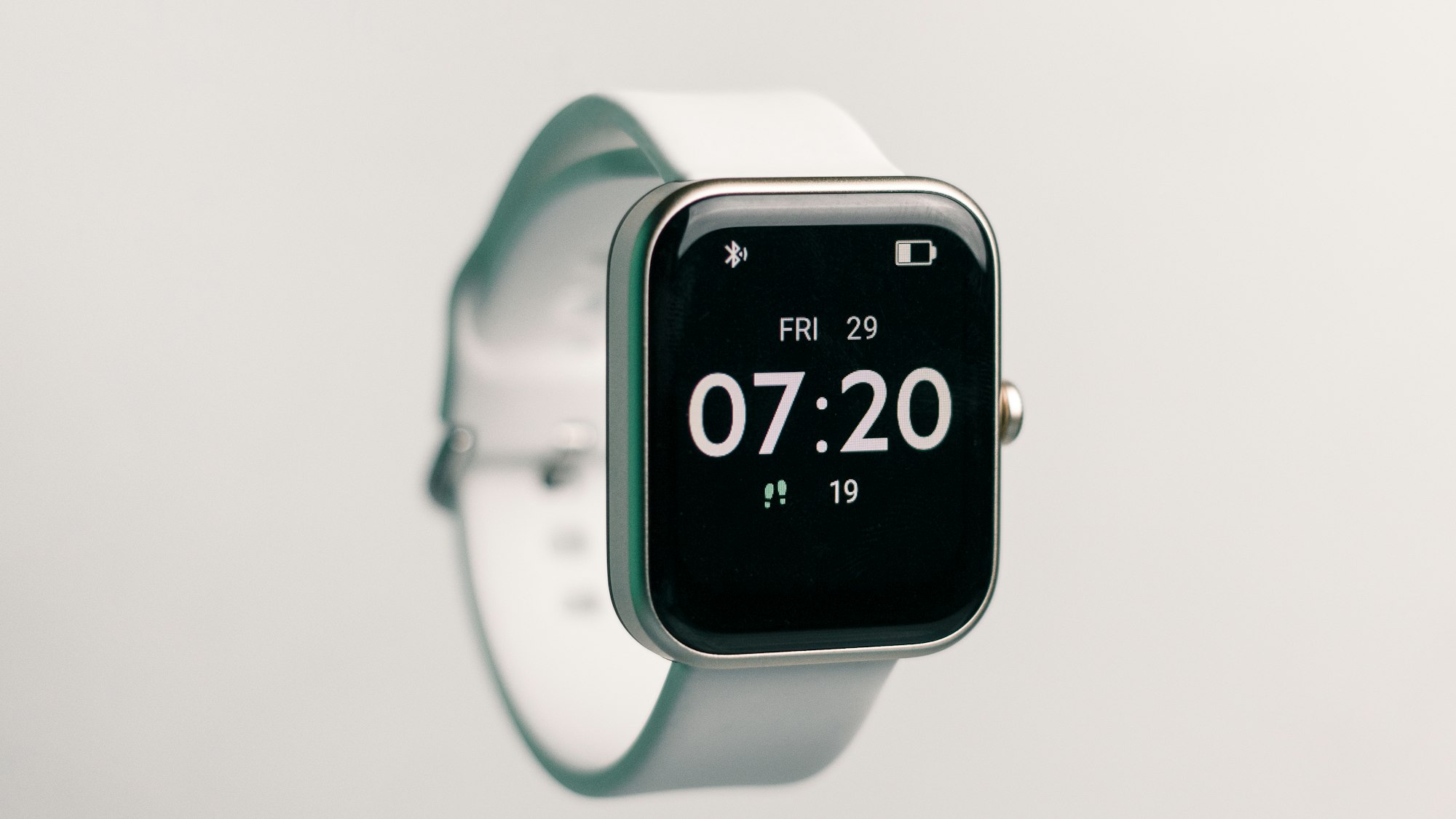
Sleep tracking: how accurate are ring and watch really?
Morning score, sleep-phase chart, recovery value: sleep trackers present themselves as precise. What they can actually do – and when the data does more harm than good.
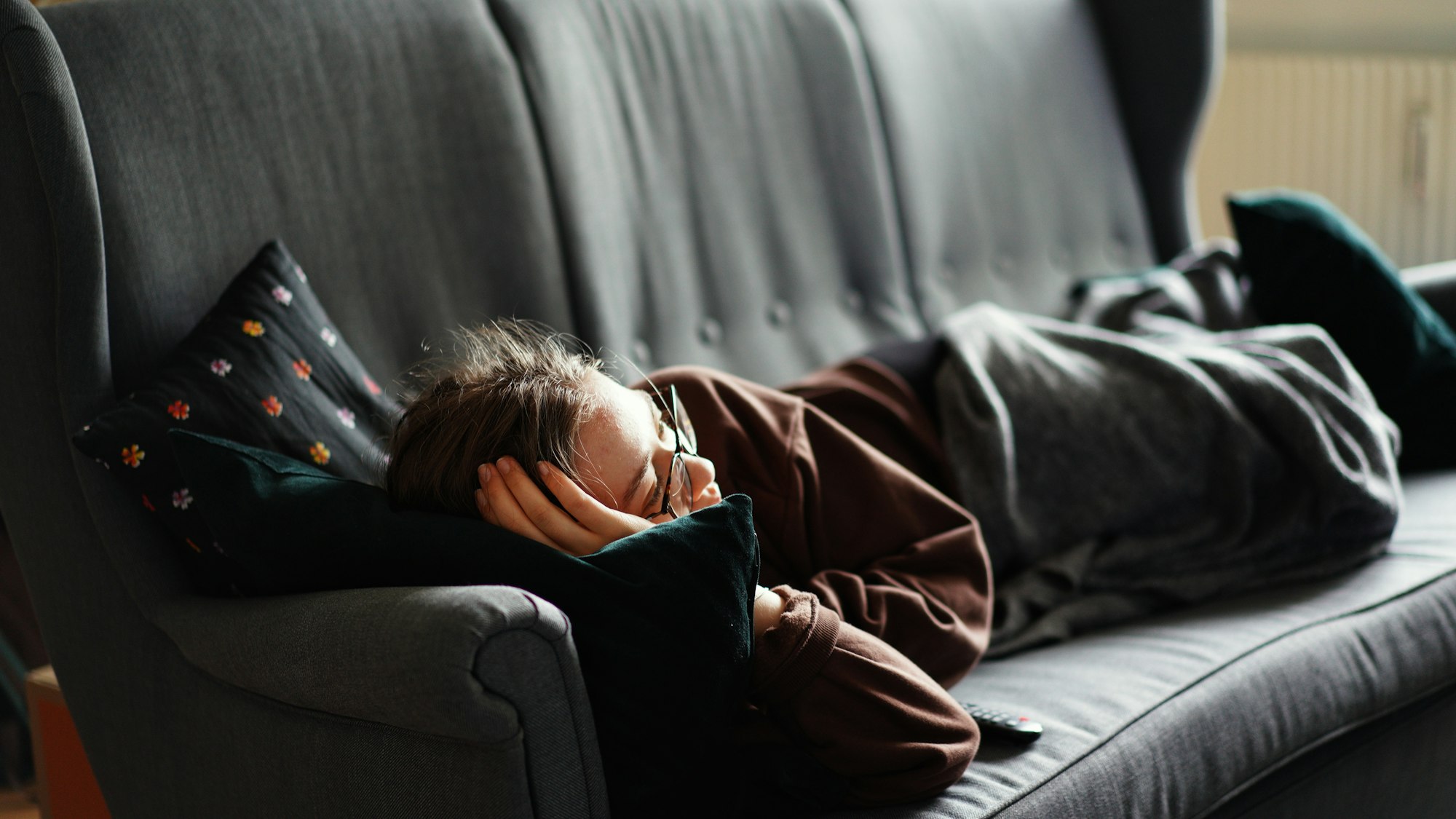
Powernaps: The optimal length according to research
A short nap can noticeably boost concentration and mood – as long as the length is right. How long a Powernap should ideally last and when you're better off skipping it.

CBT-I: The most effective treatment for insomnia — without medication
Cognitive Behavioral Therapy for Insomnia (CBT-I) is the first-line treatment for chronic sleep-onset and sleep-maintenance problems according to clinical guidelines — more effective than sleeping pills and without the risk of relapse after stopping. Little known, but well supported by evidence.
Overcoming jet lag: what research and practice really recommend
Jet lag is more than tiredness — it is a circadian conflict between your internal clock and the new daily rhythm. Knowing how the body processes time differences lets you speed up the adjustment deliberately.
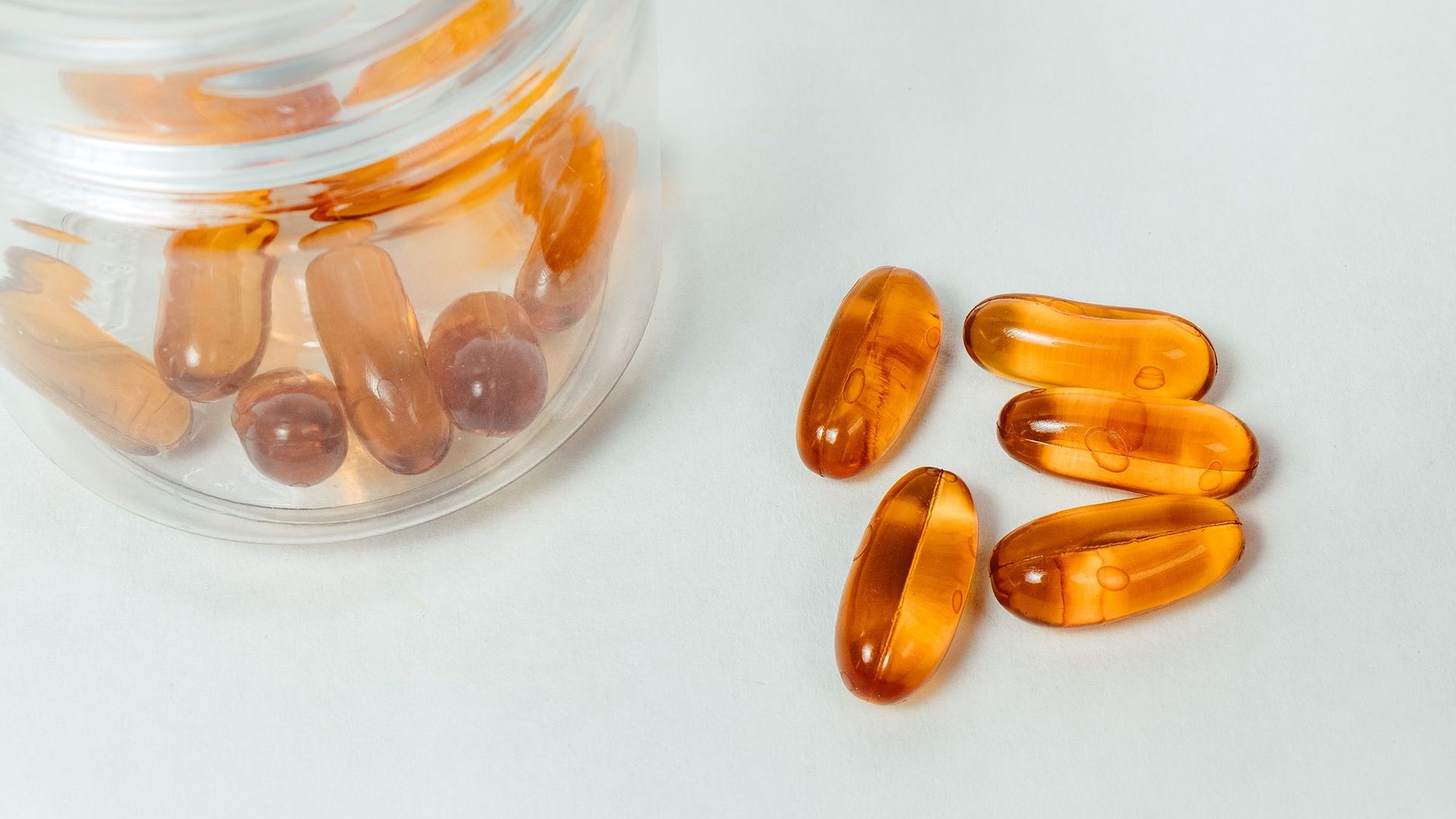
Melatonin as a Supplement: When It Makes Sense — and When It Doesn't
Melatonin is the world's most purchased sleep aid — but it is not a sleep aid in the classical sense. What melatonin actually does in the body, when it really helps, and why less is often more.
REM sleep: what the dream phase does for memory and emotions
REM sleep is far more than the time when you dream. This phase is crucial for how your brain consolidates what you've learned and processes emotional experiences — and it's surprisingly easy to disrupt.

Shift work & sleep: what the body really needs
Shift work confronts body and mind with a chronic conflict between an external schedule and an internal clock. What this means biologically, which health risks are documented — and what actually helps.
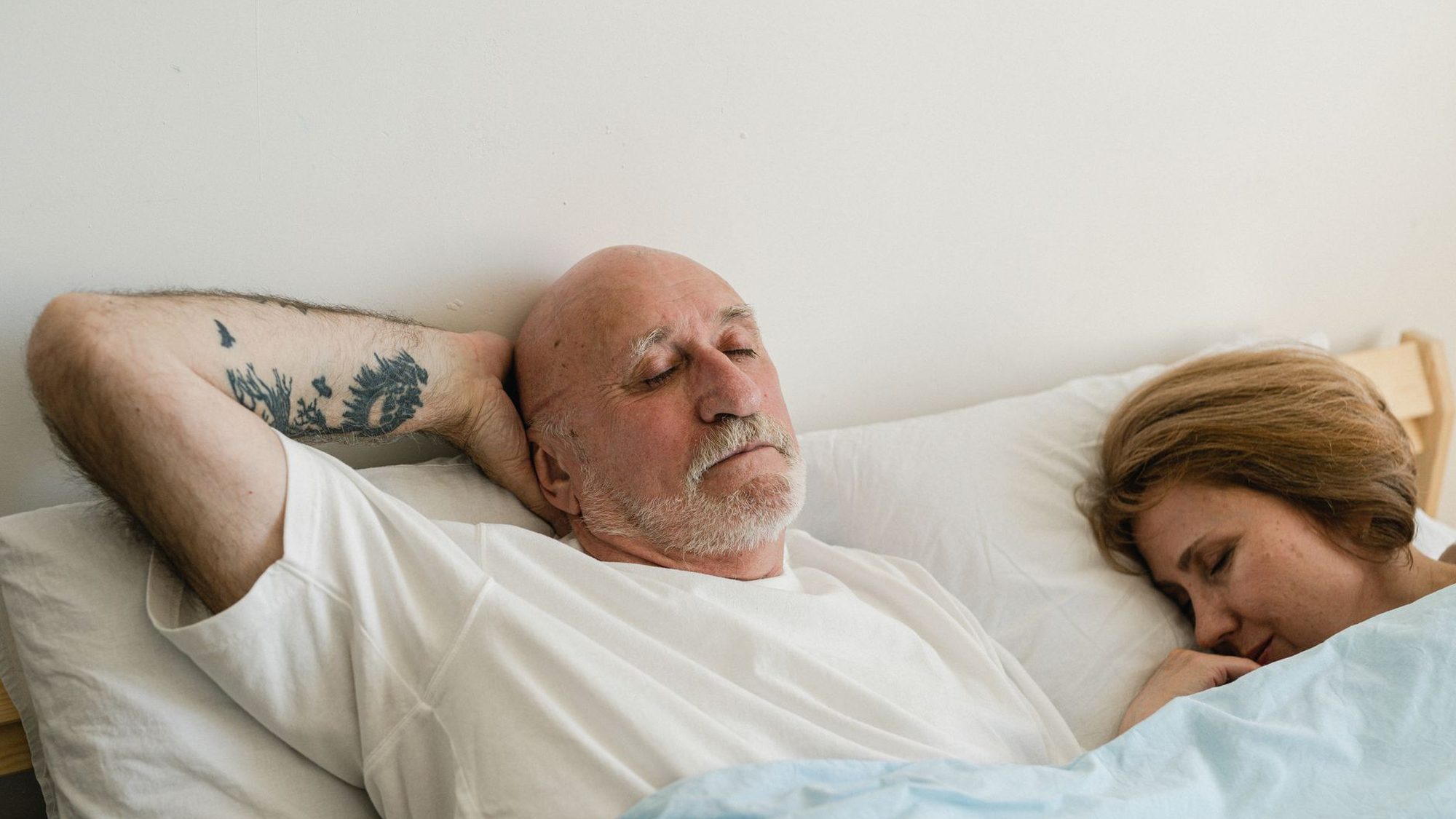
Sleep as you age: why you sleep differently than at 25
Sleep changes fundamentally as we get older — and there are biological reasons for it. Knowing what is normal and what could be treated helps you take targeted action, rather than accepting sleep problems as inevitable.
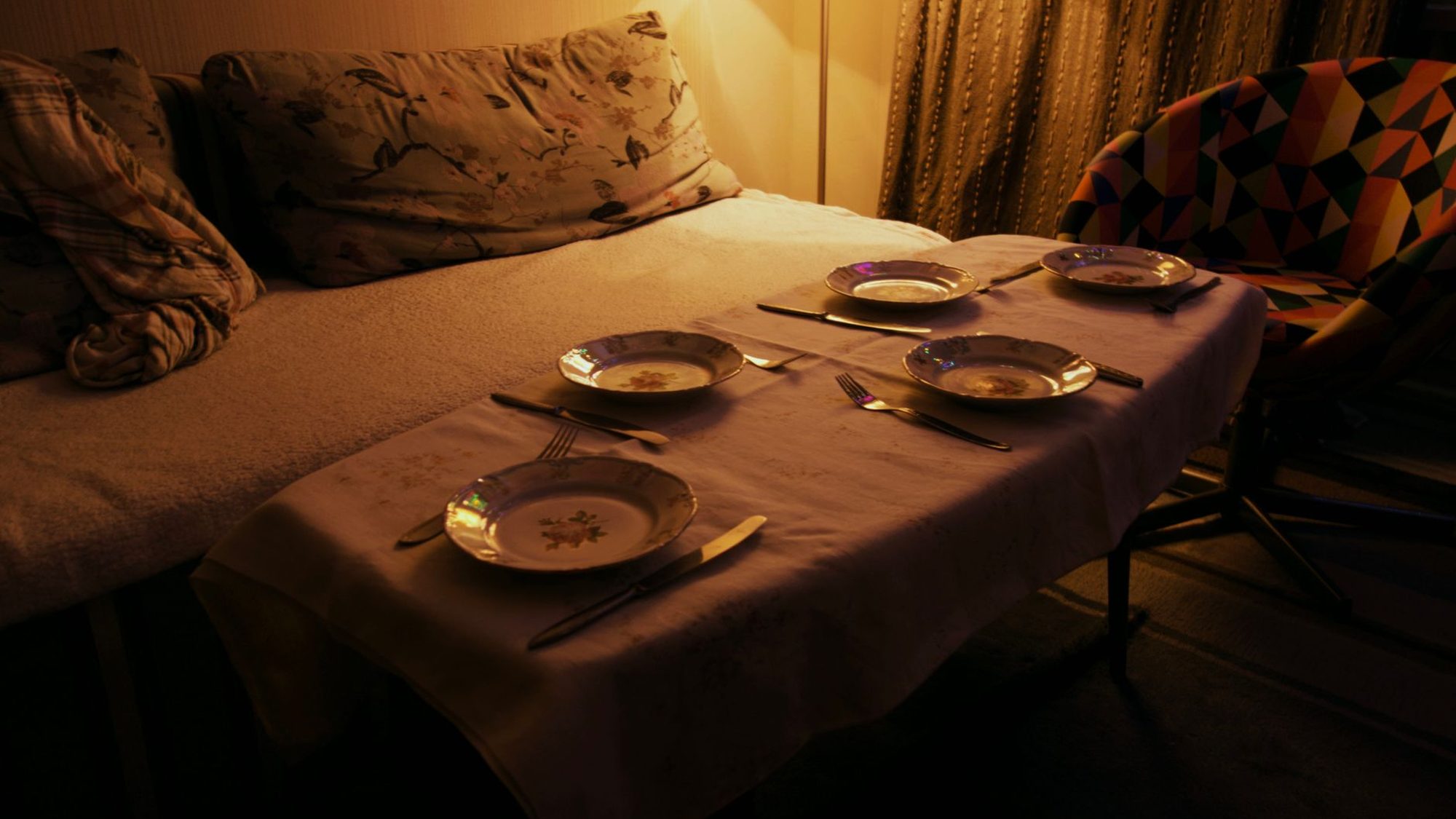
Dinner & sleep: what you should eat and when
What you eat in the evening and when you eat it has a measurable impact on your sleep. This article explains which meals and timings support sleep quality — and why going to bed too full or too hungry are both bad ideas.
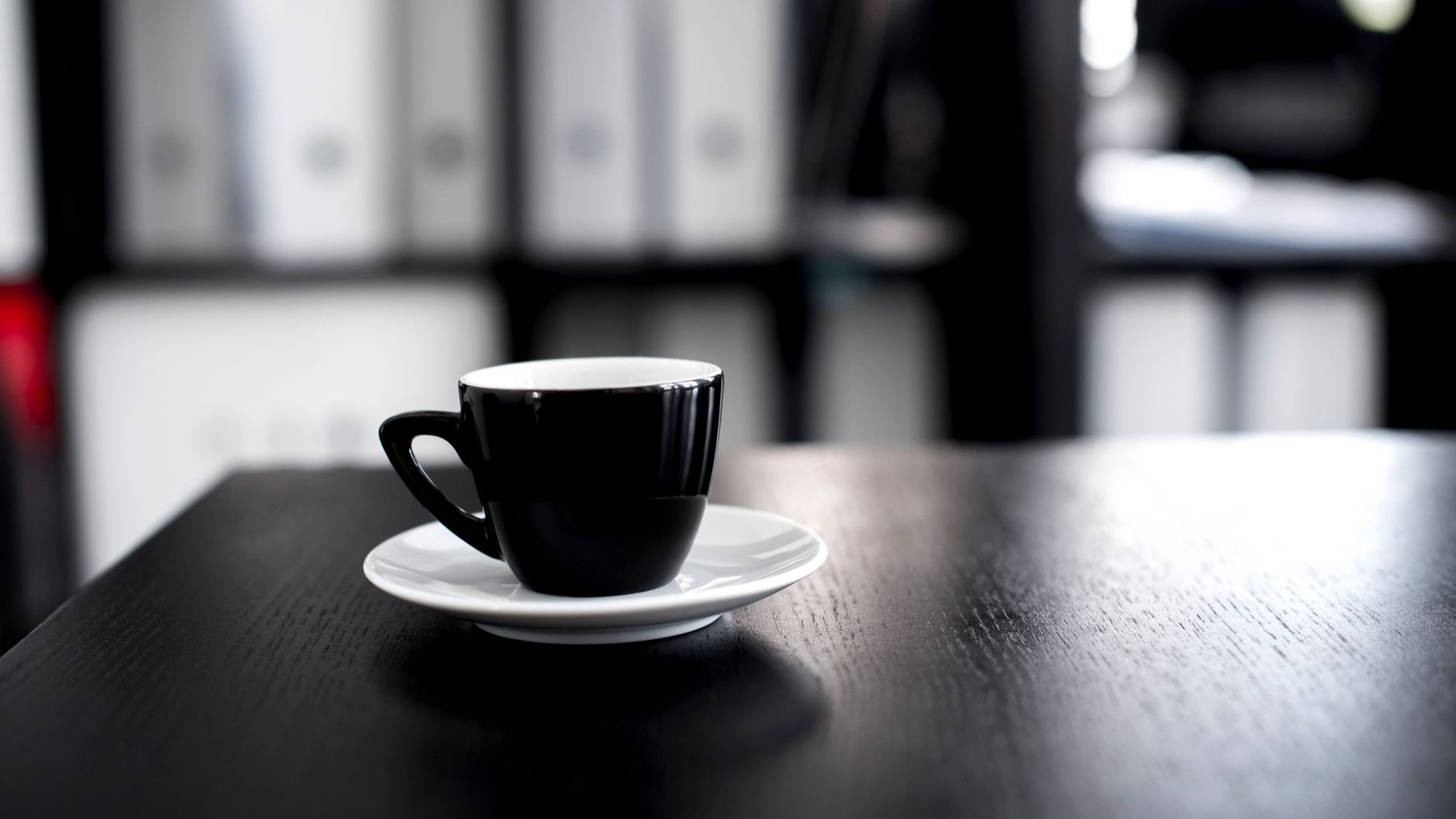
Caffeine & sleep: how long caffeine really disrupts your sleep
The espresso after lunch sounds harmless. But caffeine has a half-life of five to seven hours — and still measurably disrupts your sleep at night, even if you feel awake in the evening.
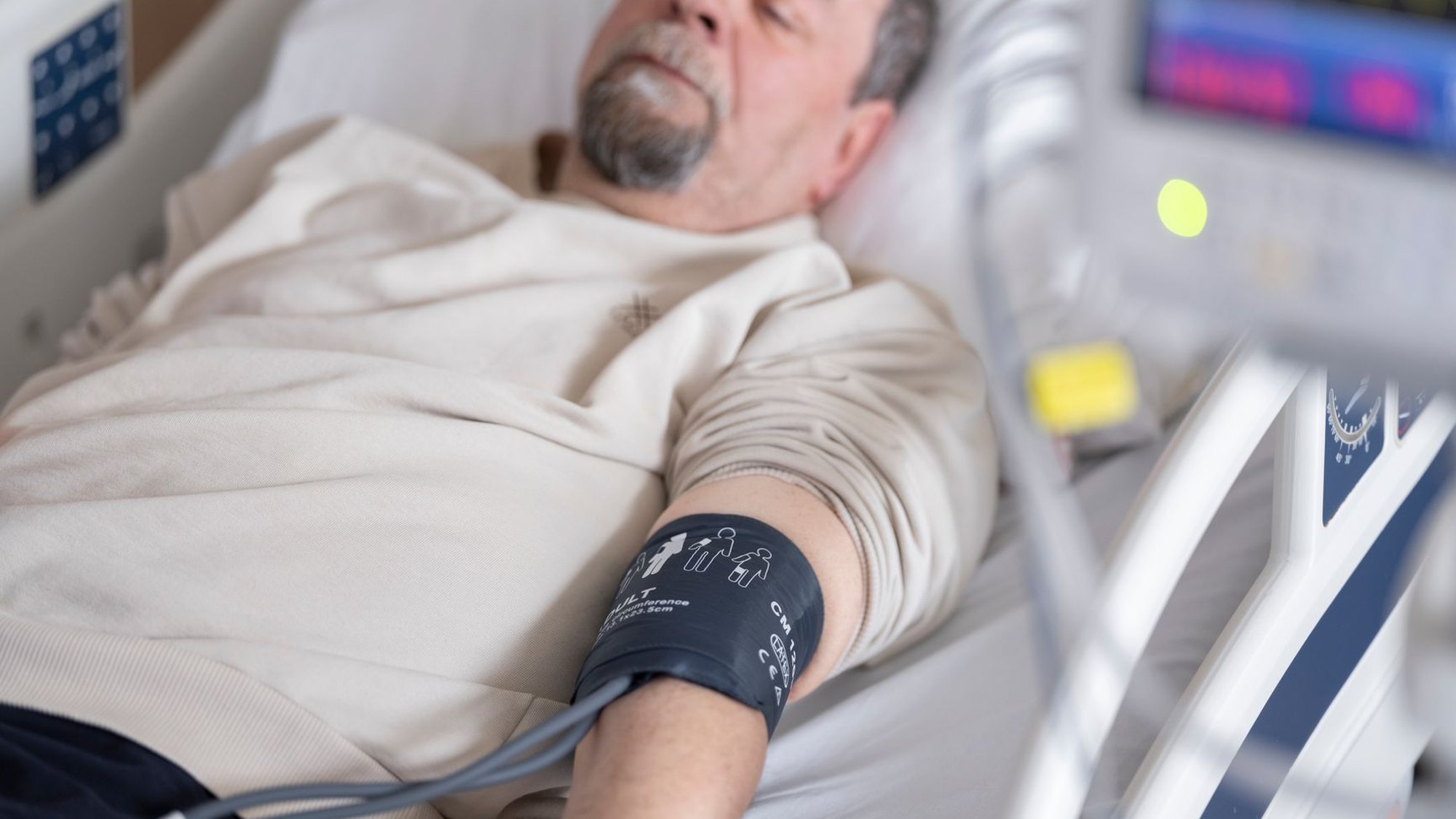
Sleep lab: when a visit to a sleep specialist makes sense
Most sleep problems can be significantly improved through better sleep hygiene and CBT-I. But sometimes there's something behind them that needs medical evaluation. This article explains which symptoms justify a sleep lab appointment – and what happens there.
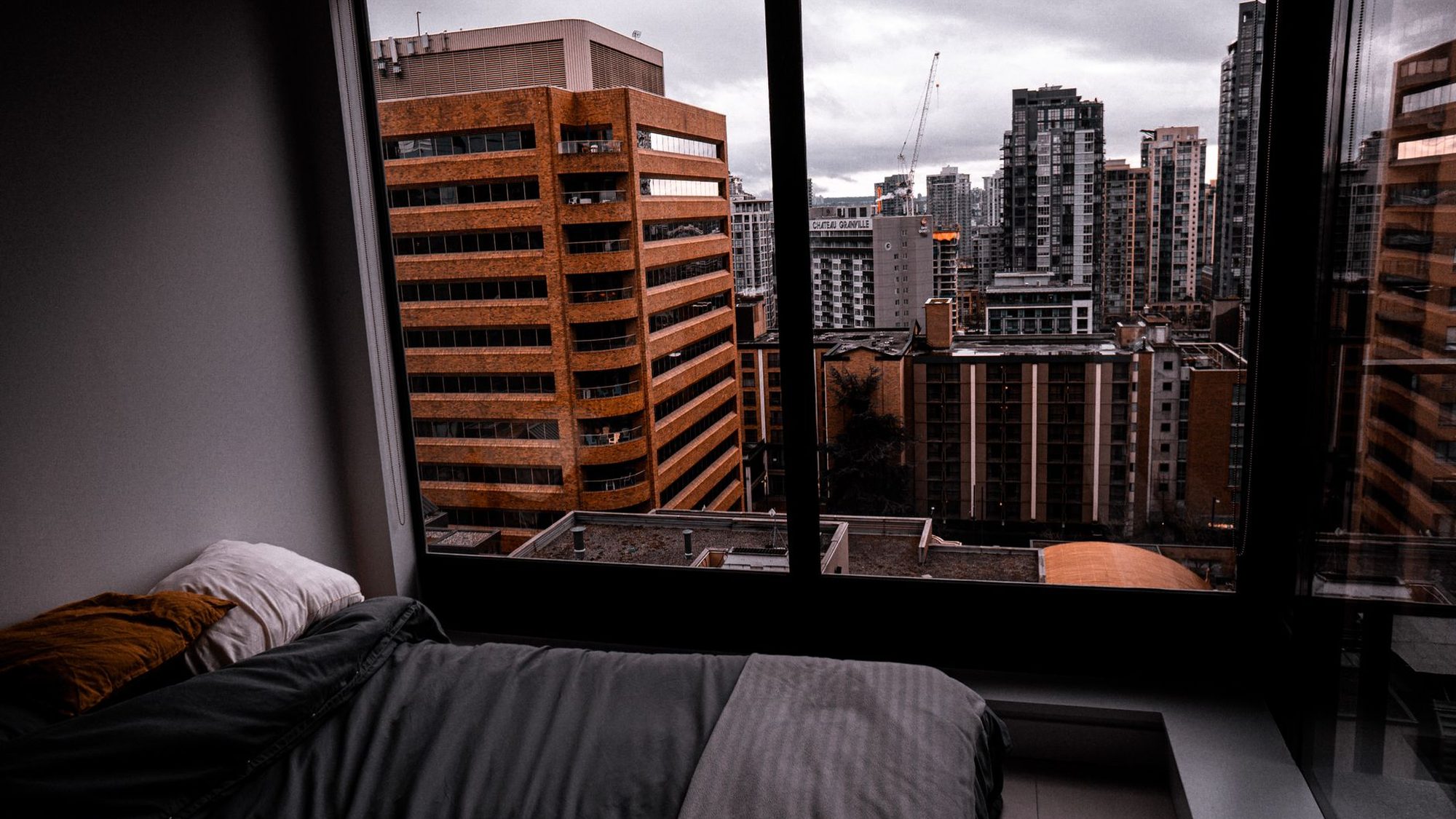
Sleep temperature: why sleeping cool is better
Your body needs to lower its core temperature in order to fall asleep. This makes room temperature one of the most powerful yet most underestimated levers for good sleep – with a clear recommendation from research.
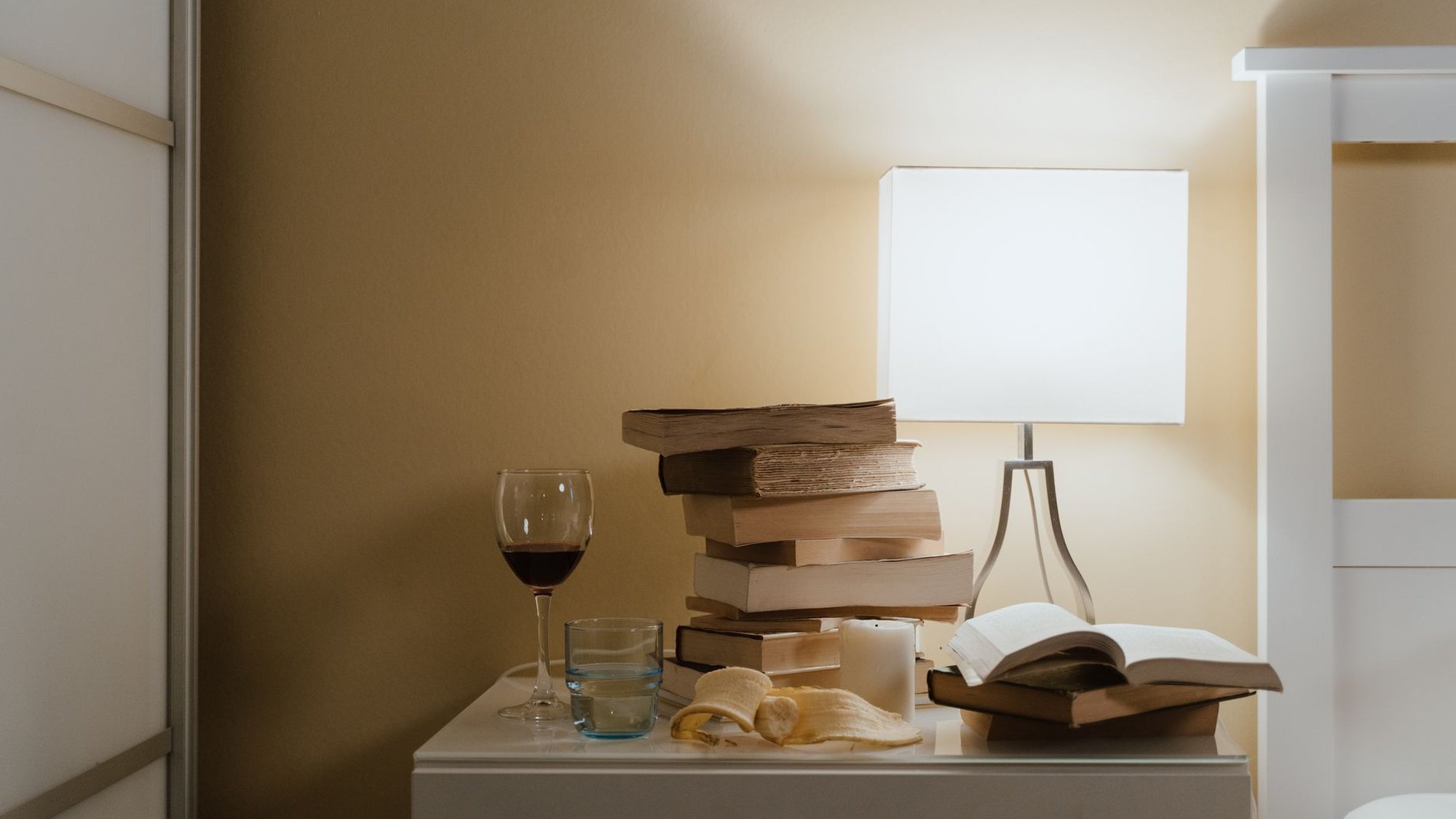
Alcohol and sleep: Why a glass does more harm than you think
Alcohol helps you fall asleep faster — that's true. What happens next is something the research views much more critically: it changes your sleep architecture in ways that often only show up in the data after weeks. The mechanism is well understood, and the effects are measurable.
Awake at three in the morning: when it's normal and when it isn't
Almost everyone wakes up at night — most people just don't notice. It only becomes a problem when you stay awake. What causes it, why getting up often helps more than lying there, and when you should get it checked out.
Magnesium for sleep: what the evidence actually shows
Magnesium has a reputation as the sleep aid you can pick up at any pharmacy. The research is thinner than the marketing suggests — but it's not empty. Who benefits, which form makes sense, and how to tell whether it's actually working for you.
Snoring: harmless noise or warning sign?
About half of adults snore occasionally. Usually it's just loud. Sometimes it points to a breathing disorder that needs treatment — and the two can be told apart by a few clear signs.
Sleeping in on the weekend: does it help or hurt?
Two extra hours in bed on Saturday feel like a treat. For your body clock, it's a short flight west. What social jetlag does to you, what it doesn't — and how to catch up on sleep without shifting your rhythm.
Menopause and sleep: why the nights get shorter
During menopause, up to sixty percent of women report sleep problems. It's not just about hot flushes. What changes hormonally, what is proven to help — and why one cause is almost always overlooked.