
Anti-inflammatory eating: what the concept is really worth
Anti-inflammatory diet is one of the most searched nutrition terms. What is behind it? Chronic inflammation is real — but the concept of anti-inflammatory eating is often oversimplified. A sober check.
What chronic inflammation means
Inflammation is initially a healthy immune response: when the body fights an injury or infection, it activates immune cells that kill pathogens and repair tissue. This acute inflammation is short-term and targeted. The problem is chronic low-grade inflammation, which smoulders persistently at a low level — without an identifiable cause or without the immune system being able to switch off.
This chronic form is associated with an increased risk of cardiovascular disease, type 2 diabetes, Alzheimer's, and certain cancers. It can be measured via, among other things, C-reactive protein (CRP), interleukin-6, and TNF-alpha. It is triggered by excess weight (particularly abdominal fat), lack of exercise, sleep deprivation, chronic psychological stress — and by certain dietary patterns.
What diet does to inflammation markers
The Dietary Inflammatory Index (DII) is a tool that rates different foods and nutrients according to whether they raise or lower inflammation markers in the blood. It was developed by James Hébert and colleagues at the University of South Carolina. Foods with high pro-inflammatory potential: processed meat, products high in trans fatty acids, added sugar, and refined grains.
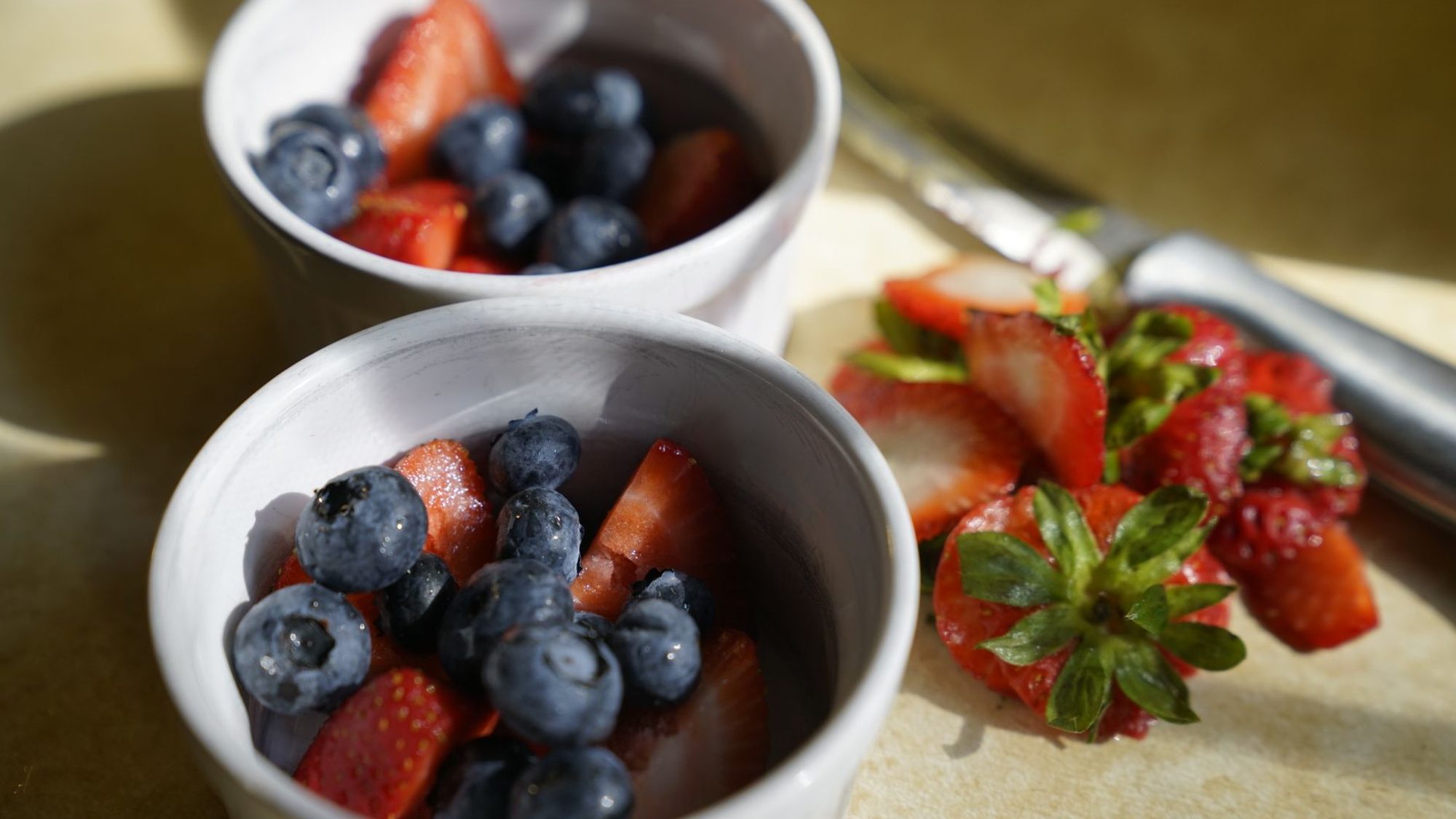
According to the DII, anti-inflammatory effects come from: omega-3 fatty acids (fish oil, flaxseed), dietary fibre, polyphenols (berries, olive oil, green tea), vitamins C and E, as well as garlic and turmeric. This largely matches the pattern of the Mediterranean diet — which explains why this way of eating performs so well in so many studies.
What is well evidenced — and what is overstated
Well evidenced: a dietary pattern high in processed meat, sugar, and ready-made products raises chronic inflammation markers. Equally evidenced: omega-3 fatty acids and polyphenols from food can lower inflammation markers. These are real effects, measurable in blood tests.
Overstated is the idea that individual foods like turmeric or ginger alone can fight systemic inflammation. Curcumin, the active compound in turmeric, has shown impressive effects in animal studies. In humans at realistic dietary amounts (turmeric in a curry), effects on inflammation markers are minimal. Supplement doses that show therapeutic effects are far beyond what you can sensibly absorb from spices.
What you can concretely eat
The goal is not an exclusion diet, but a shift in pattern: more unprocessed, plant-based foods, more fish, more olive oil, less processed meat, less added sugar, fewer highly processed ready-made products. This is essentially the Mediterranean diet under a different label.
Some specific additions that have shown measurable effects on inflammation markers in controlled human studies: fatty fish twice a week (omega-3 effect), a daily handful of walnuts, two to three tablespoons of extra virgin olive oil, regular legumes and wholegrains. No exotic protocol — just a solid foundation.
Limits of the concept
Anti-inflammatory eating is not a stand-alone medical therapy concept. Anyone suffering from an inflammatory condition such as rheumatoid arthritis, Crohn's disease, or psoriasis should not see dietary adjustments as a replacement for medical treatment — but as a complementary measure discussed with their doctor.
Also worth noting: chronic inflammation has many causes. Diet is one of them — but excess weight, lack of exercise, sleep deprivation, and chronic stress can have a stronger effect than what is on the plate. A comprehensive approach that addresses all these areas is more effective than focusing on individual foods.
Tracking inflammation markers with YUTHI
In the YUTHI app you can log blood values such as CRP (C-reactive protein) or interleukin-6 — if measured — and track them over time. This lets you see whether changes in your diet and lifestyle have a measurable effect on these markers. It turns subjective well-being into an observable data point.
That was the snapshot. The app turns it into daily support.
Measure every day instead of calculating once: Vito or Vita puts your numbers in context, builds you a weekly plan and speaks up when something stands out.
Launching at the end of 2026 — iPhone first, Android to follow. Let me know when it’s out ↓
Sources
- Shivappa N. et al. Designing and developing a literature-derived, population-based dietary inflammatory index. Public Health Nutr. 2014;17(8):1689–1696.
- Estruch R. et al. Anti-inflammatory effects of the Mediterranean diet: the experience of the PREDIMED study. Proc Nutr Soc. 2010;69(3):333–340.
- Calder PC. et al. Dietary factors and low-grade inflammation in relation to overweight and obesity. Br J Nutr. 2011;106(Suppl 3):S5–S78.
- Kunnumakkara AB. et al. Curcumin, the golden nutraceutical: multitargeting for multiple chronic diseases. Br J Pharmacol. 2017;174(11):1325–1348.