
Exercise
Everything on movement and training: endurance, strength, mobility and what really counts — explained simply, with sources.
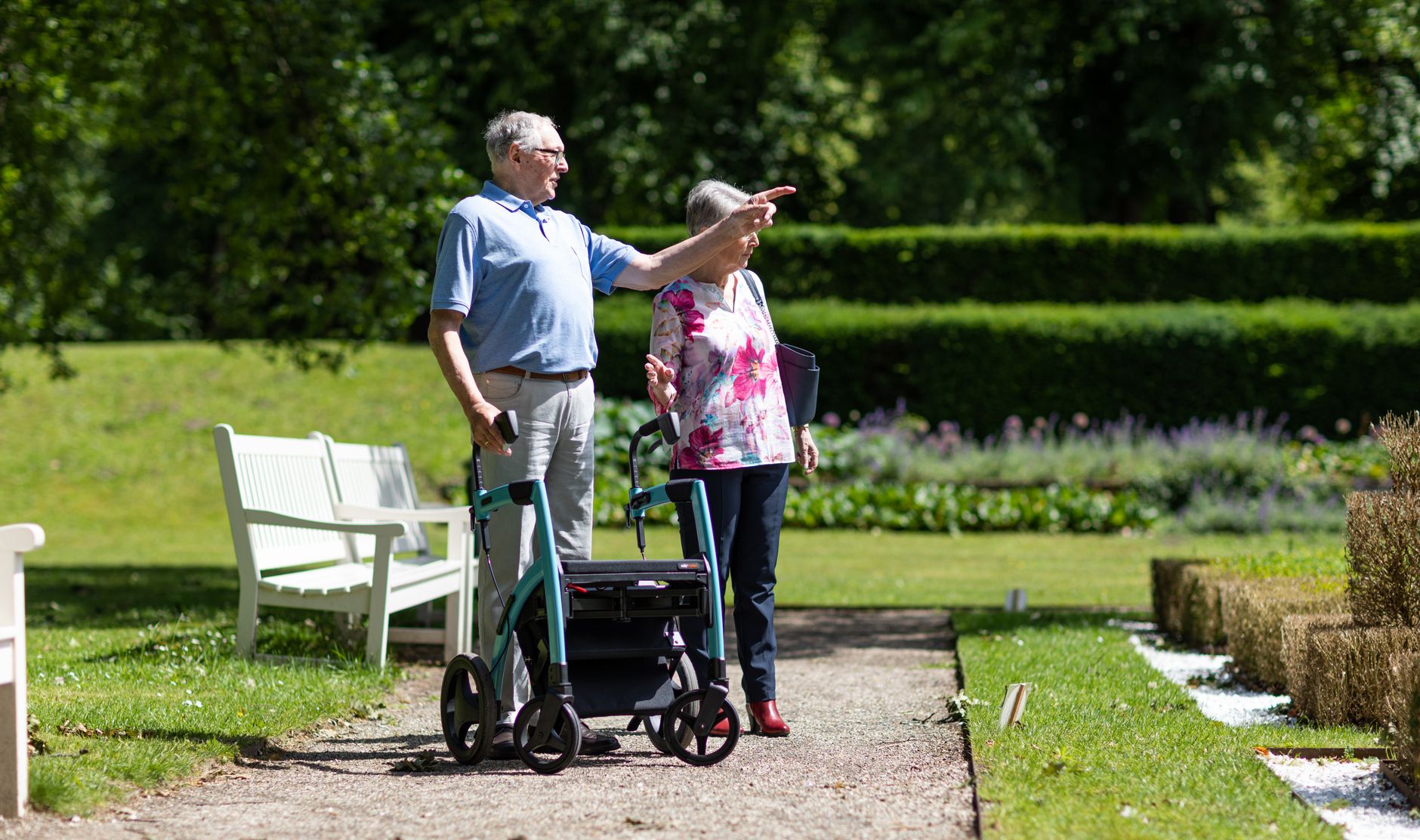
7,000 steps a day: the underestimated longevity dose
10,000 steps a day — that target comes from a marketing campaign, not from science. A large meta-analysis shows: around 7,000 steps are already associated with a significantly lower risk of mortality. And why everyday movement is one of the most accessible longevity levers.

VO₂max: Why your endurance outlives your cholesterol level
Hardly any measurement says as much about your life expectancy as maximal oxygen uptake. What's behind it, how to measure it – and how to improve it deliberately.

Strength training from 40: why muscles are your longevity organ
From 40 onwards, without countermeasures, we lose noticeable muscle mass every decade. Why targeted strength training is one of the most powerful levers for a long, independent life.

HIIT vs. Zone 2: Which one does your heart more good?
Short and hard or long and easy? Both methods train your heart – but in different ways. What the research says about HIIT and Zone 2 training.
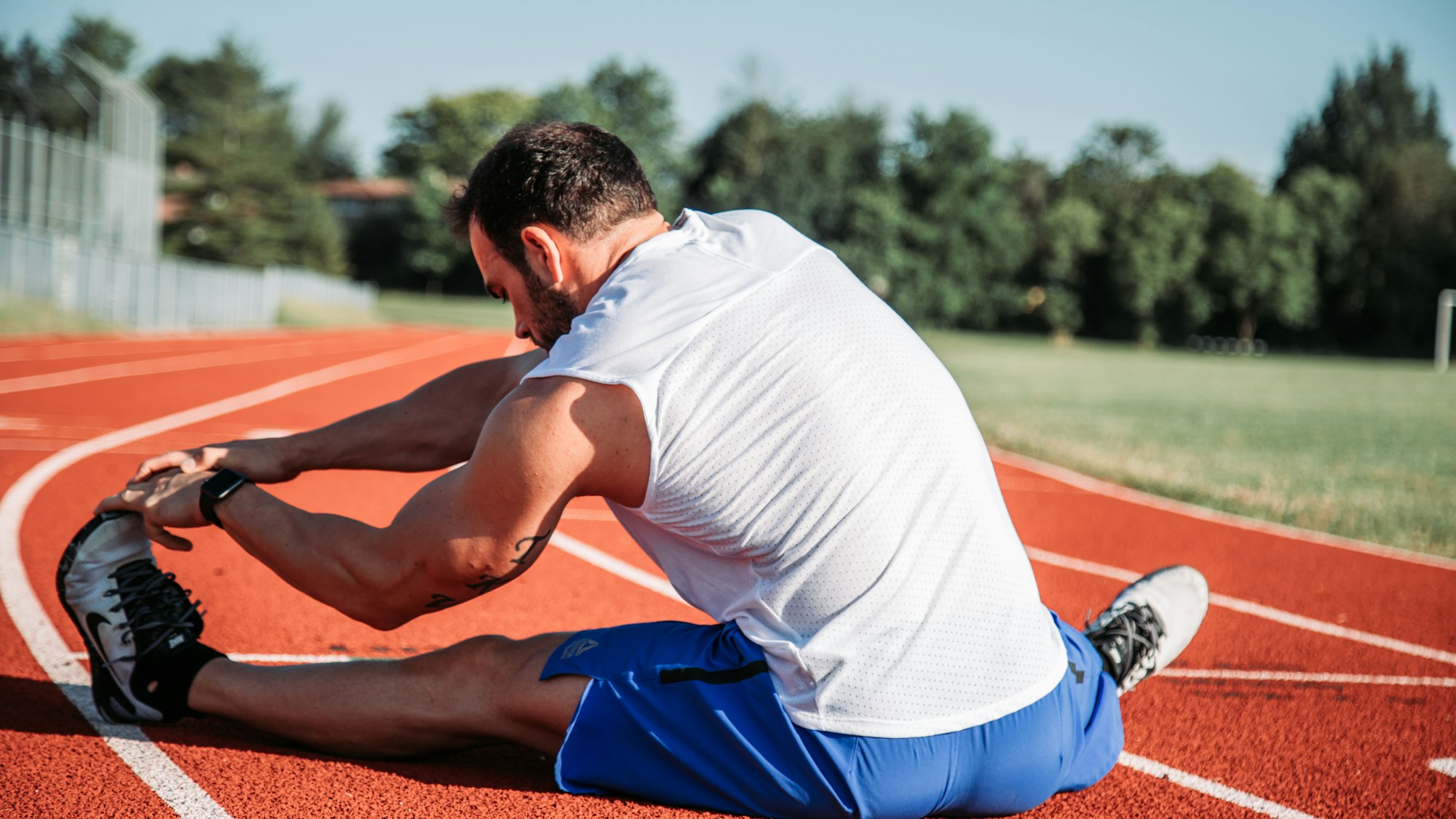
Staying mobile: why mobility decides your quality of life
Staying mobile means staying independent. Why mobility and balance become so important with age – and which training really helps.

Wearables reality check: what ring and watch actually measure
Ring, watch and chest strap promise a look inside your own body. What the data is really worth – and how to use it sensibly without driving yourself crazy.
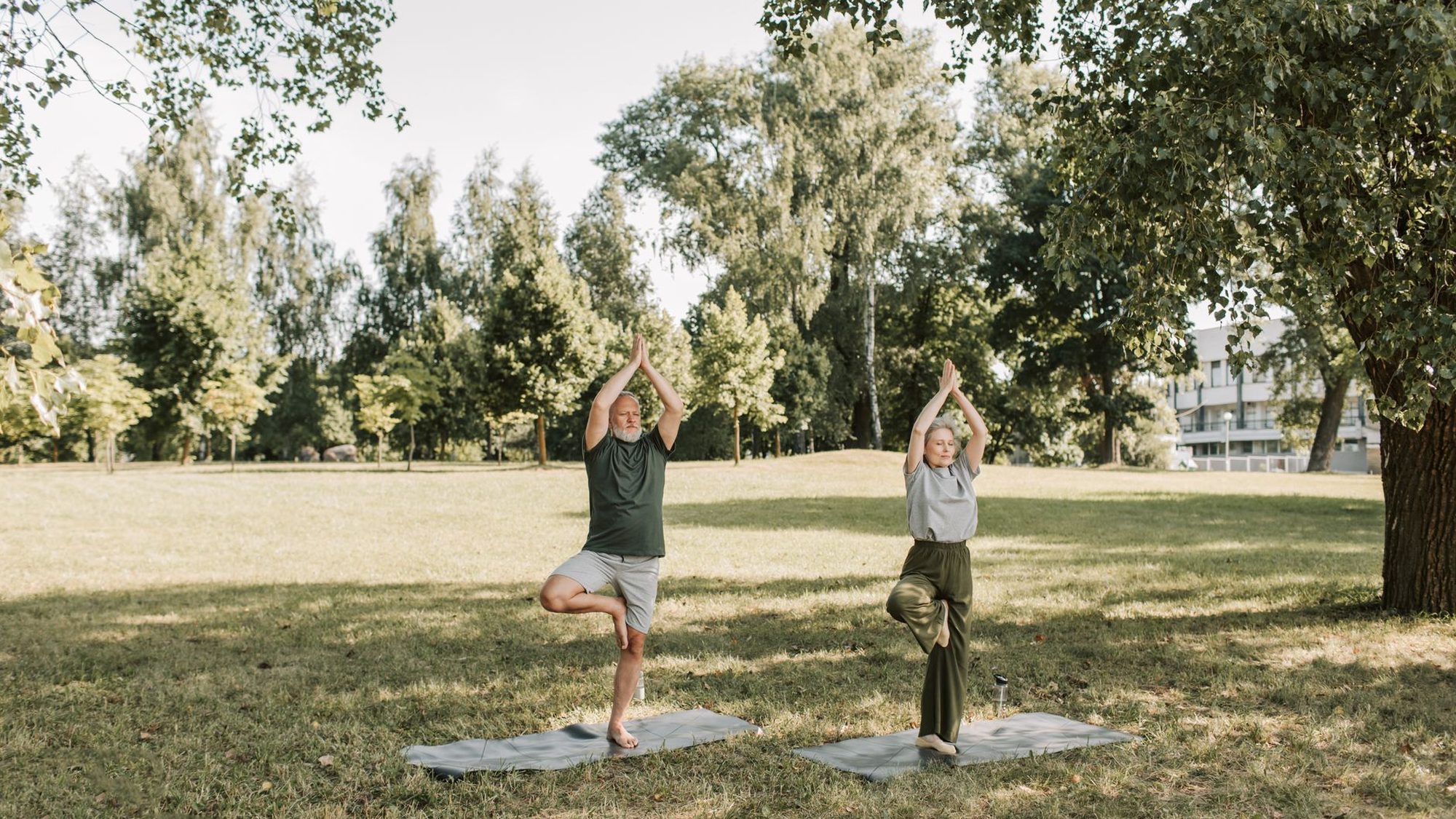
Balance and fall prevention: The underrated longevity exercise
Falls are the most common cause of injury-related mortality in people aged 65 and over. The good news: balance is trainable — and just a few weeks of regular exercises measurably reduces fall risk.

Combining strength and endurance: how to implement concurrent training effectively
Anyone training for longevity needs both strength and endurance. But can both be developed at the same time — or do they interfere with each other? What the interference effect is and how to minimise it with smart planning.

Fascia training and foam rolling: what rolling actually does
Foam rollers have become a fixture in every gym. What rolling actually does — and what it doesn't — becomes clear when you look at the research: the results are more mixed than the promises.

Heart Rate Zones: How to Find the Right Intensity for Your Training
Always training at the same pace means not reaching your full potential — and risking chronic fatigue. The zone model explains which intensities produce which adaptations and why most recreational athletes train in the wrong zone.
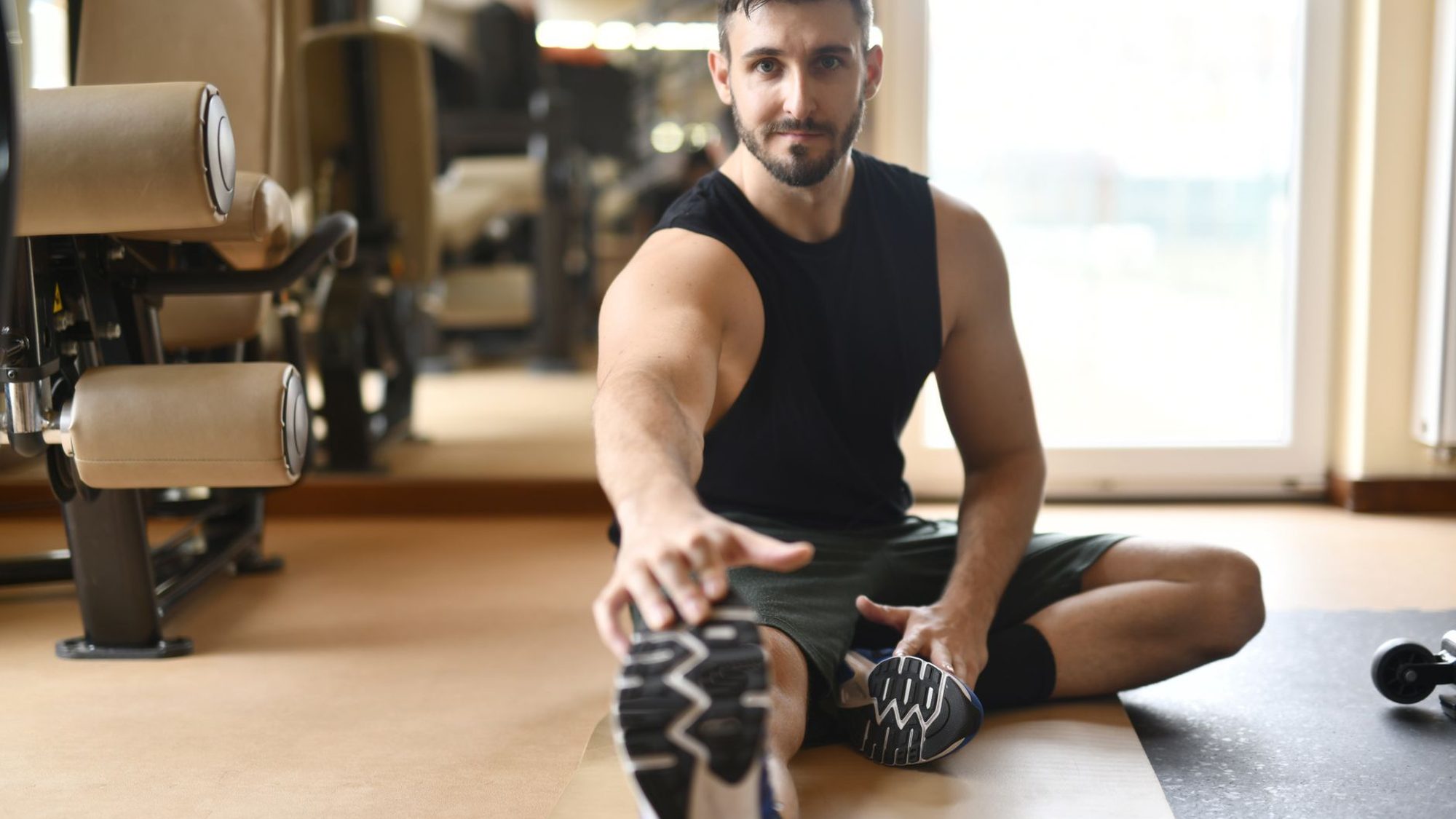
DOMS: What's behind it and what you can do about it
Muscle soreness is not a failure and not a sign of a good training stimulus — it is an inflammatory response to unfamiliar exertion. What really helps, what doesn't, and why you shouldn't rely on pain as a measure of progress.

NEAT: Why taking the stairs often works better than an extra workout session
NEAT — Non-Exercise Activity Thermogenesis — is the energy your body burns through movement outside of exercise. In some people it accounts for 30% of total energy expenditure and is one of the most important yet least known health factors.

Cycling and health: what long-term studies actually show
Regular cycling demonstrably lowers your risk of heart disease, cancer and premature death. UK Biobank and Copenhagen data show impressive effects — even for e-bike commuters.

Strength and Bones: How Exercise Prevents Osteoporosis
Osteoporosis affects around 6 million people in the DACH region — and more than 80% of them are women. Bones are living tissue that responds to mechanical load. Which types of training preserve bone density most effectively, and when you should start.

Exercise and the Mind: How Movement Changes Mood and the Brain
Exercise is one of the most effective known tools against depression and anxiety — and at the same time one of the strongest drivers of memory and concentration. What happens in the brain when you train, and why the effect goes far beyond a good mood.

Exercise and sleep: when movement improves your sleep
Regular exercise is one of the most effective non-pharmacological measures for better sleep. But timing and intensity determine whether exercise promotes sleep — or disrupts it. What the research shows.
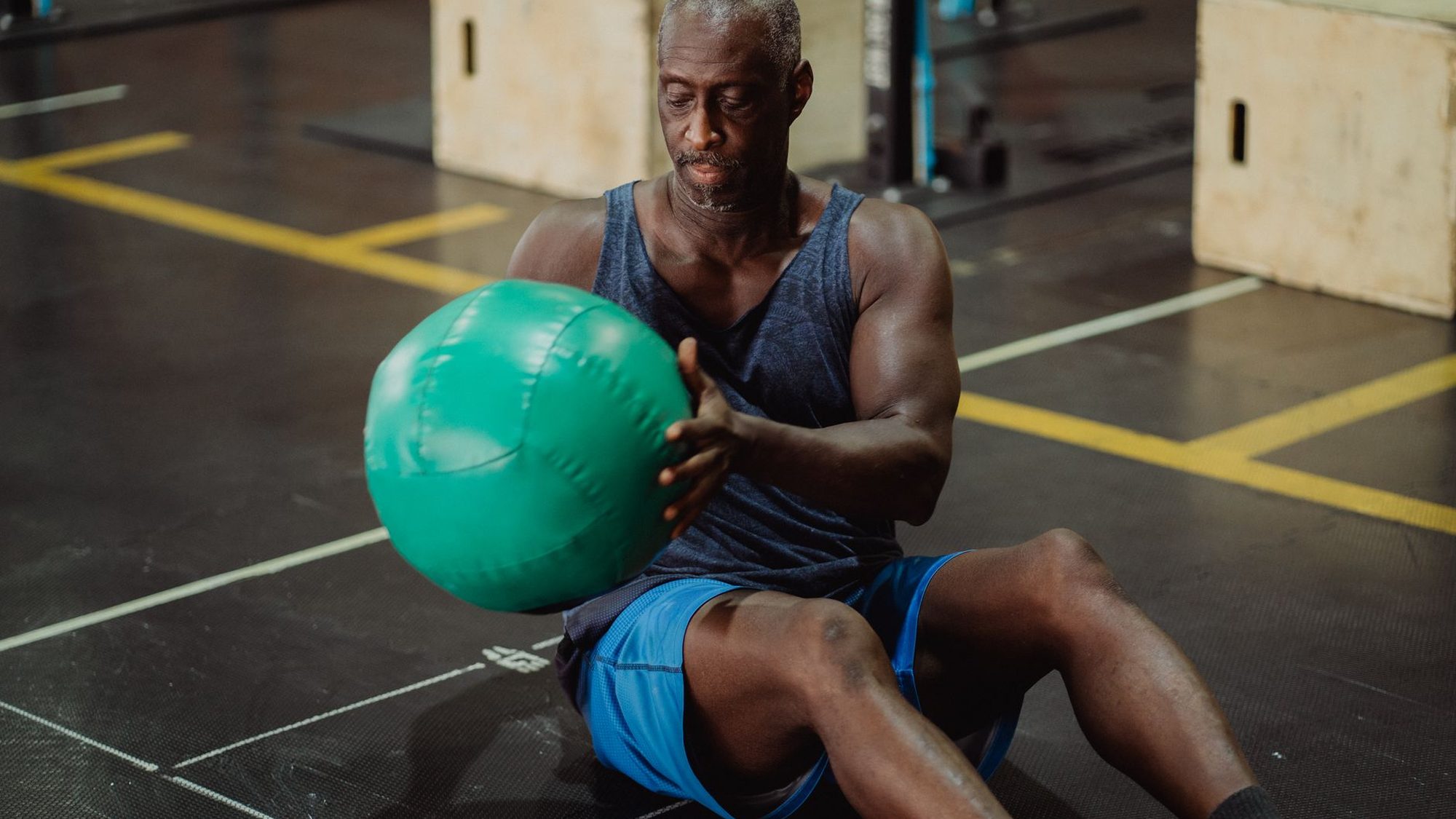
Training planning from 50: how to get started safely and effectively
From 50 onwards, the way your body responds to exercise changes: recovery takes longer, hormones shift, and muscles build more slowly. With the right planning, this is not an obstacle — it's a question of adaptation.
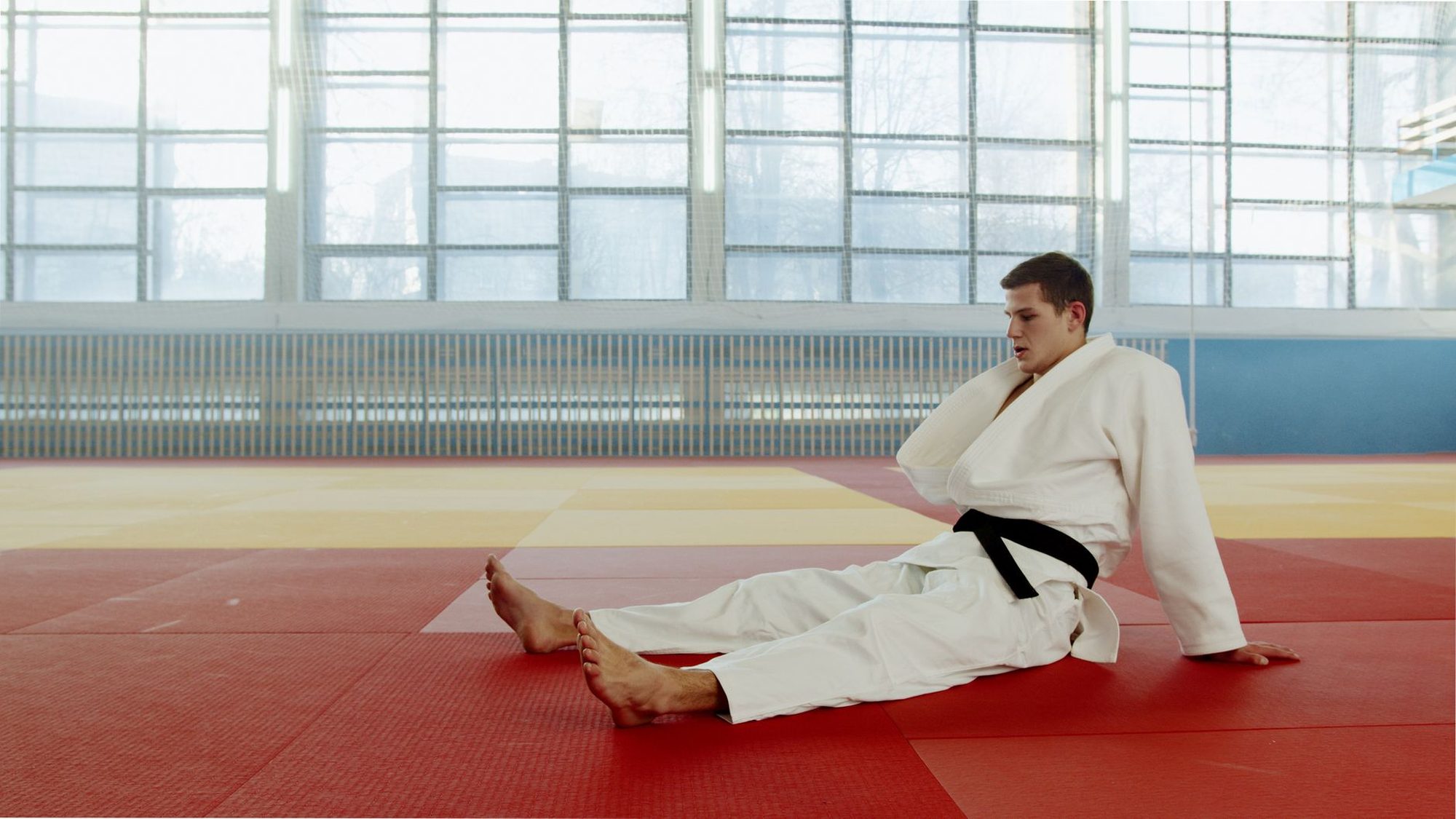
Recognising overtraining: when more exercise delivers less
More training does not automatically lead to more progress. Overtraining is a real syndrome with measurable effects on performance, the immune system and mental health. The good news: there are early warning signs — if you know what to look for.

Stretching: before, after, or not at all?
Stretching before exercise protects against injuries and muscle soreness — for decades this was the rule in school sports. Neither has been confirmed. What stretching can actually do, and when it makes sense.
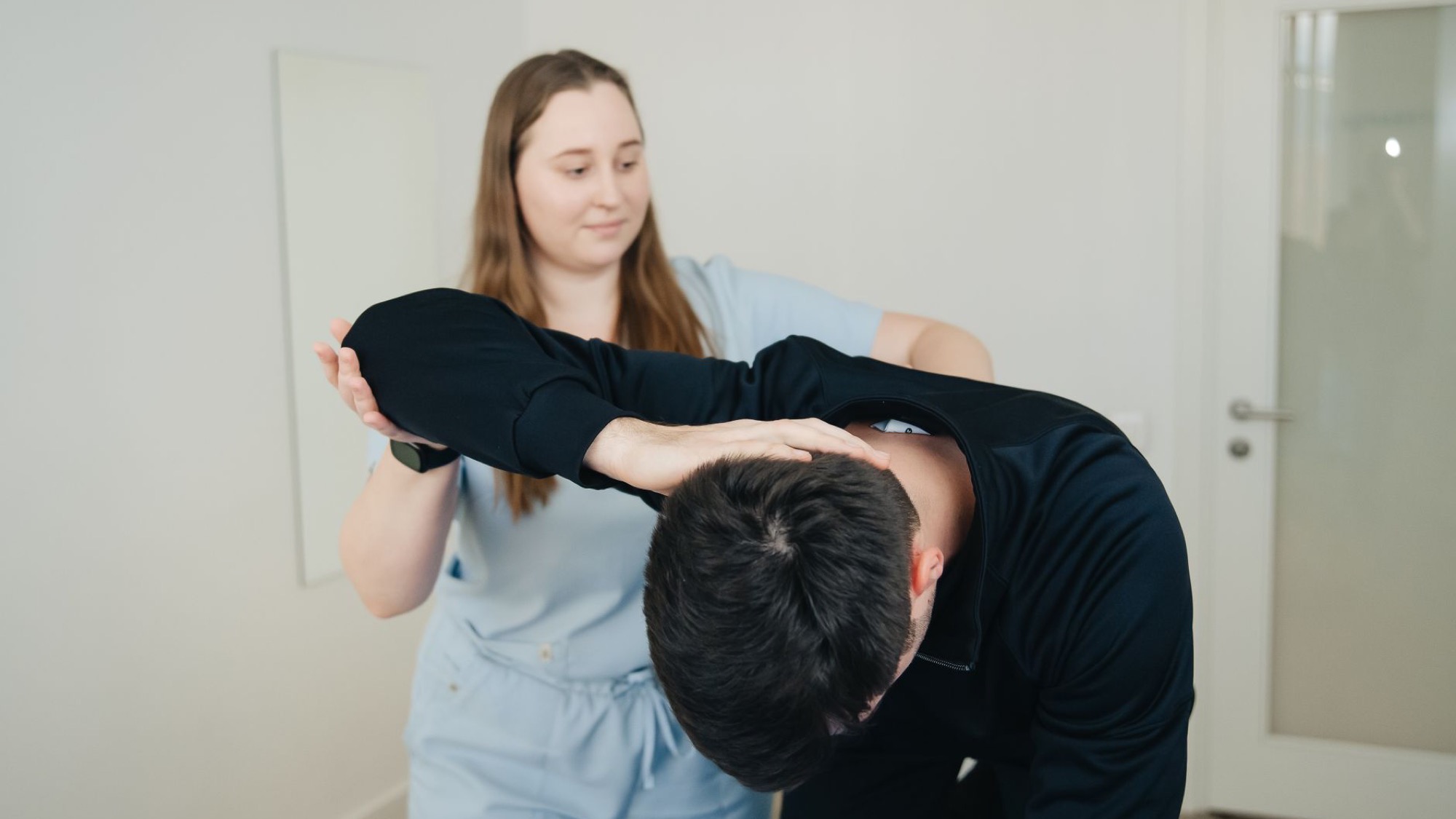
Back pain: movement instead of rest
The old recommendation was bed rest. Today the opposite is standard — and movement is the only measure with an established preventive effect. What type, how much, and why an MRI rarely helps.

Swimming: the underrated endurance sport
In the water you bear only about one tenth of your body weight. This makes swimming an endurance workout for people who find running too hard — with one feature almost nobody knows: your heart rate runs systematically lower here.

Training with a cold: the neck rule and what it's worth
A mild runny nose and a workout on the schedule — go or skip? There's a useful rule of thumb, one serious exception and a stubborn misconception about what exercise does to the immune system.
Training break: how quickly do you lose your fitness?
Two weeks on holiday, a cold, a busy month at work — and suddenly the worry that you've lost everything. Research on fitness loss gives surprisingly clear answers. Endurance and strength behave very differently.