
Choline: The underrated nutrient for brain and liver
Most people have never heard of choline — yet it is essential for the brain, nerves, and liver. Studies show that a large part of the population is not getting enough. Here is what you should know.
What choline is and what it does
Choline is not a classic vitamin — the body can produce small amounts on its own — but endogenous production is generally not sufficient to cover requirements fully. It is therefore considered an essential nutrient that must be obtained through diet. Officially, choline has only been recognised as a nutrient since 1998.
Choline fulfils three key roles: it is a building block of phosphatidylcholine, the most abundant phospholipid in cell membranes. It is a precursor of the neurotransmitter acetylcholine, which is central to muscle contraction, memory, and learning. And it participates in the methionine cycle — the metabolic pathway that breaks down homocysteine and provides methyl groups, including for DNA methylation.
Who needs more and why
According to the Institute of Medicine's reference values, daily requirements are 550 mg for men and 425 mg for women — rising to 450 mg during pregnancy and 550 mg during breastfeeding. For the brain development of the unborn child, choline is especially important during pregnancy: it influences neurogenesis and the epigenetic programming of the child's brain.
Studies show that, despite these recommendations, a significant portion of the population does not reach the recommended intake. People following a plant-based diet who avoid eggs and meat are particularly at risk. People with the PEMT gene polymorphism — a common variant in the enzyme that synthesises choline — also have an increased dietary requirement.
What choline does to the liver
Choline is essential for transporting fat out of the liver. It is needed to build lipoproteins that carry fats away from the liver. A choline deficiency causes fat to accumulate in the liver — a non-alcoholic fatty liver disease (NAFLD). In studies where participants were deliberately placed on a choline-free diet, many developed measurable liver changes within just a few weeks.
Conversely, observational studies show that people with higher choline intake have lower rates of fatty liver. Given the rising prevalence of NAFLD in the population, this is a relevant observation — even though the causal effect has not yet been conclusively established by intervention studies.
The best sources of choline
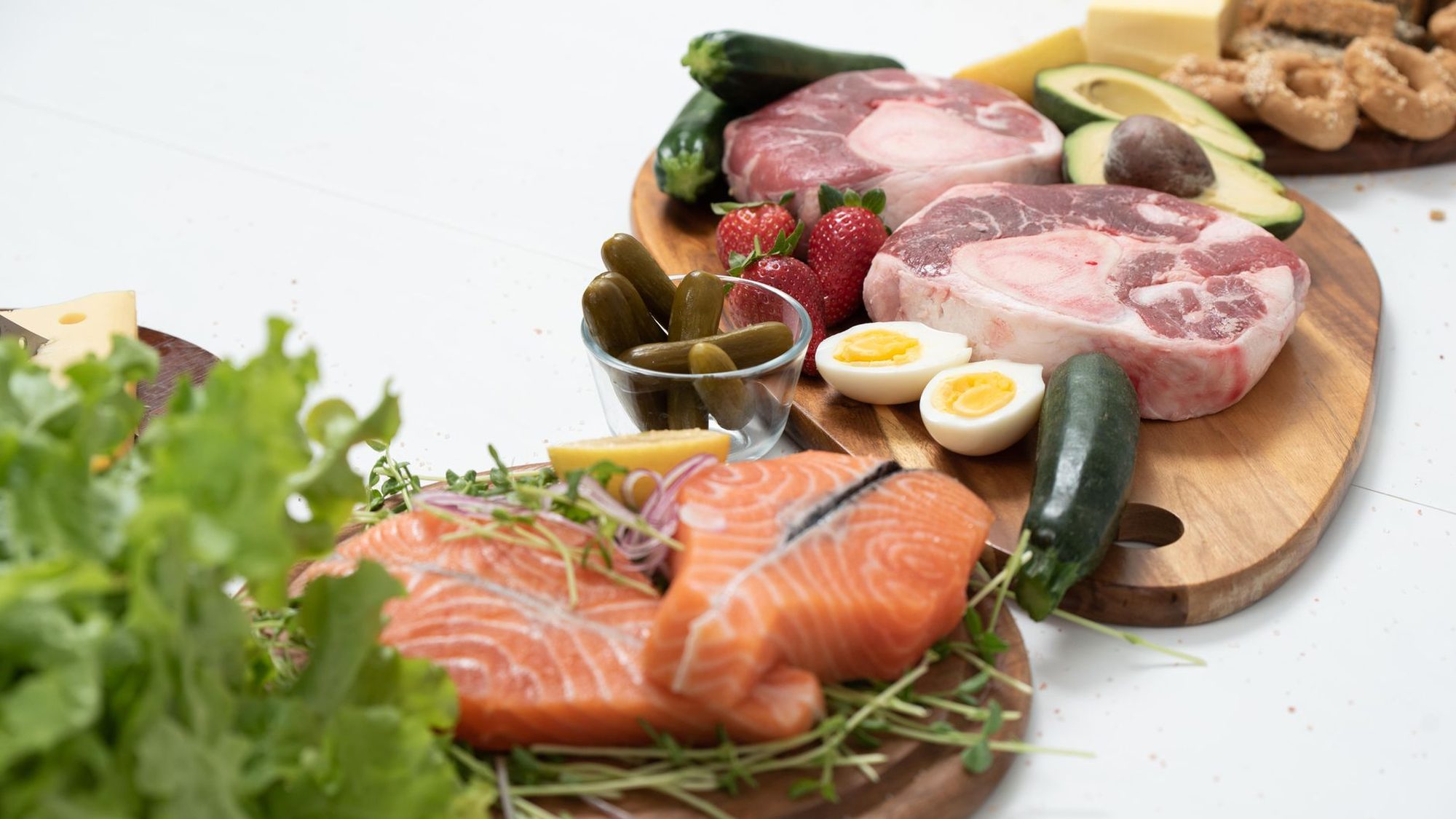
Eggs are by far the richest and most practical everyday source of choline: one egg contains about 125 mg of choline — almost entirely in the yolk. Two to three eggs a day therefore cover a significant portion of requirements. Beef liver delivers over 400 mg per 100 g, but is rarely an everyday food. Salmon, chicken, beef, and broccoli are further noteworthy sources.
Plant-based sources contain choline in lower concentrations: soy products (tofu, soy drink), kidney beans, quinoa, and broccoli are the best plant-based options. For people following a vegan diet who avoid eggs and meat, it can be challenging to reach the recommended intake through food alone — in this case a supplement containing choline bitartrate or phosphatidylcholine may be worthwhile.
What the research shows on cognition and memory
Since choline is a precursor of acetylcholine — the neurotransmitter that is among the first to decline in Alzheimer's — the question of whether choline protects memory is a natural one. Observational studies show an association between higher choline intake and better memory in midlife. Clinical supplementation studies using cholinergics in people with existing dementia have so far shown disappointing results.
This suggests that the preventive role of adequate choline intake across the lifespan may be more important than the therapeutic effect in established disease. Another area of active research: choline intake during pregnancy and the child's cognitive development. Several intervention studies indicate that increased choline intake during pregnancy can improve the child's cognitive performance in the first years of life.
Keeping track of choline with YUTHI
Choline is not included in standard blood tests — but you can observe how choline-rich your diet is in the YUTHI app. Eggs every day? Fish or legumes regularly? This qualitative overview helps you assess whether you are likely getting enough — or whether a conversation with a nutritionist might be a good idea.
That was the snapshot. The app turns it into daily support.
Measure every day instead of calculating once: Vito or Vita puts your numbers in context, builds you a weekly plan and speaks up when something stands out.
Launching at the end of 2026 — iPhone first, Android to follow. Let me know when it’s out ↓
Sources
- Zeisel SH. et al. Choline: an essential nutrient for public health. Nutr Rev. 2009;67(11):615–623.
- Wallace TC. et al. Choline: The Underconsumed and Underappreciated Essential Nutrient. Nutr Today. 2018;53(6):240–253.
- Resseguie M. et al. Phosphatidylethanolamine N-methyltransferase (PEMT) gene expression is induced by estrogen in human and mouse primary hepatocytes. FASEB J. 2007;21(10):2622–2632.
- Caudill MA. et al. Maternal choline supplementation during the third trimester of pregnancy improves infant information processing speed. FASEB J. 2018;32(4):2172–2180.