
Polyphenols: The plant compounds that can dampen inflammation
Berries, olive oil, green tea, dark chocolate — all these foods have one thing in common: they are rich in polyphenols. What these plant compounds do in the body, and where the limits of the hype lie.
What polyphenols are
Polyphenols are a large group of secondary plant compounds — over 8,000 compounds are known. They can be divided into several subclasses: flavonoids (including quercetin from onions, EGCG from green tea and anthocyanins from berries), stilbenes (resveratrol from red grapes), lignans (from flaxseed) and hydroxycinnamic acids (from coffee and olive oil).
Plants produce polyphenols as protection against UV radiation, pests and oxidative stress. When you eat these foods, you take in these compounds. They are partly absorbed in the gut and partly converted by the microbiome into other active metabolites. This conversion is key: it is often the microbial breakdown products that have an effect, not the undigested compound itself.
What studies show about their effects
Most evidence comes from observational studies: people who eat more polyphenol-rich foods have a lower risk of cardiovascular disease, type 2 diabetes and certain cancers. Whether this is causal or whether a polyphenol-rich diet is simply a marker of an overall healthier lifestyle is hard to separate.
Mechanistically, laboratory studies and smaller human intervention trials show that polyphenols can inhibit pro-inflammatory signalling pathways (such as NF-κB), increase the activity of antioxidant enzymes and improve vascular function. Particularly well-established is the vasodilatory effect of cocoa flavonoids: several controlled studies show that 200 to 400 mg of cocoa flavonoids daily modestly reduce blood pressure.
The most important everyday sources
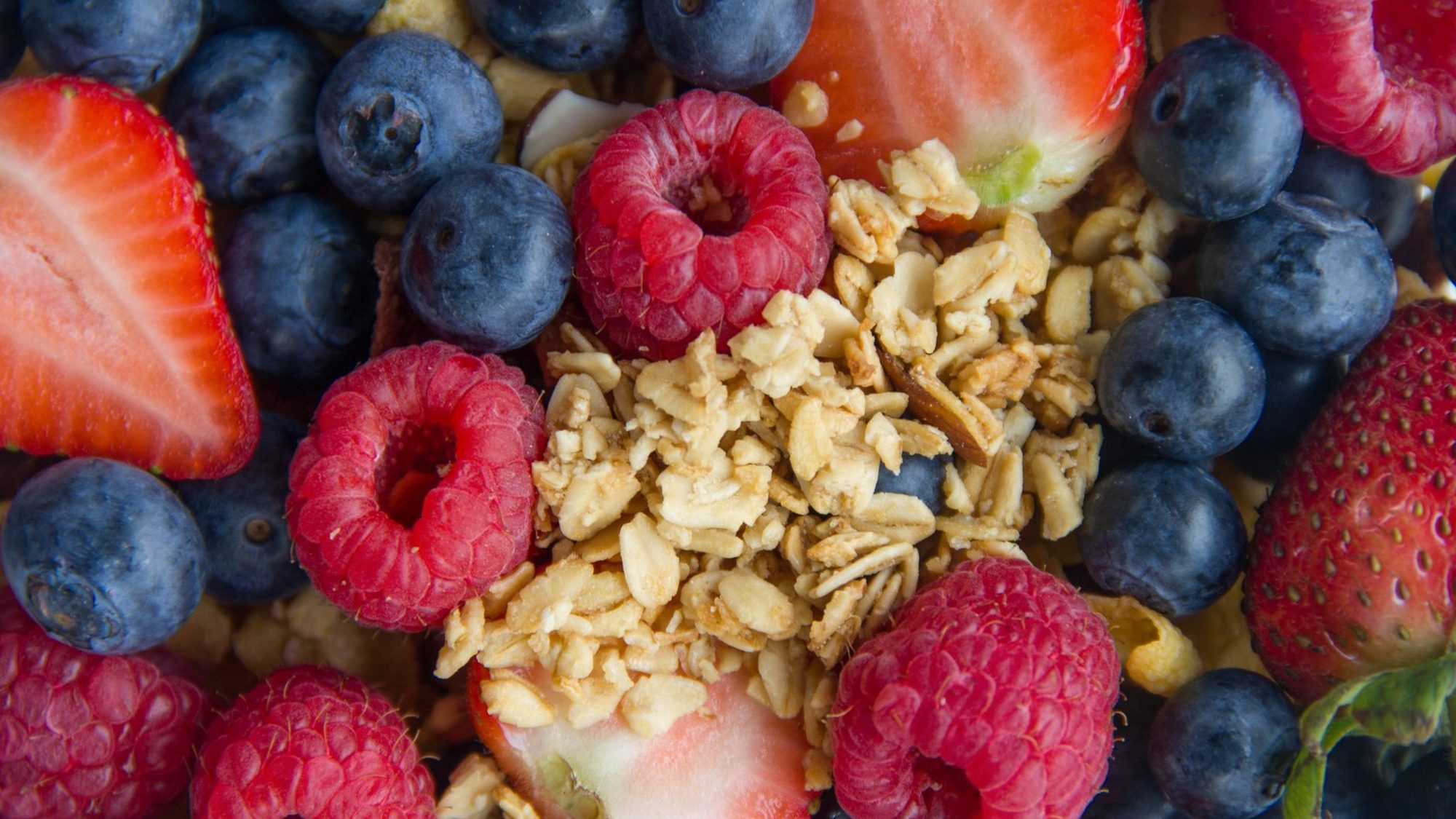
Berries are among the most polyphenol-rich foods of all: blueberries, raspberries and blackcurrants provide dense amounts of anthocyanins. Green tea contains EGCG (epigallocatechin gallate), which shows a wide range of effects in laboratory studies. Extra virgin olive oil provides hydroxytyrosol and oleuropein, which are thought to play a role in the cardioprotective effect of the Mediterranean diet.
Dark chocolate with a high cocoa content provides flavan-3-ols, coffee provides chlorogenic acid and onions provide quercetin. A colourful mix of vegetables and fruit — with a particular focus on dark and red varieties — covers the diversity better than any single superfood.
Why supplements don't deliver the same
Individual polyphenols such as resveratrol or quercetin are marketed in capsule form at high doses. The expectation: to extract the effect from the food and take it in concentrated form. But the research has repeatedly disappointed this expectation. Resveratrol in supplement form showed no consistent effects on biomarkers such as blood pressure, inflammatory markers or body composition in clinical human studies.
The reason is likely the interplay: in food, dozens of compounds work together and are processed differently by the microbiome. In addition, the bioavailability of isolated polyphenols in capsule form is often lower than from the natural food matrix. This supports consuming the sources as whole foods, not as extracts.
How much you should eat
There are no official daily targets for polyphenols, but nutrition researchers such as Augustin Scalbert estimate that a Mediterranean diet provides 1,000 to 1,500 mg per day. A handful of berries, a cup of green tea, some dark chocolate and a salad with extra virgin olive oil already comes close to that goal.
More important than counting grams is diversity: different classes of polyphenols act through different pathways. A varied food selection beats any supplement strategy. Eating five different vegetables and fruits each day — with an emphasis on dark colours and berries — is a solid approach.
Keeping track of variety with YUTHI
In the YUTHI app you can track how colorful and varied your diet really is. How many different vegetables and fruits make it to the table each week? Are legumes, berries and green tea regularly included? Recognizing these patterns is more valuable than counting milligrams of polyphenols — because variety is the most powerful lever.
That was the snapshot. The app turns it into daily support.
Measure every day instead of calculating once: Vito or Vita puts your numbers in context, builds you a weekly plan and speaks up when something stands out.
Launching at the end of 2026 — iPhone first, Android to follow. Let me know when it’s out ↓
Sources
- Manach C. et al. Polyphenols: food sources and bioavailability. Am J Clin Nutr. 2004;79(5):727–747.
- Hooper L. et al. Effects of chocolate, cocoa, and flavan-3-ols on cardiovascular health: a systematic review and meta-analysis of randomized trials. Am J Clin Nutr. 2012;95(3):740–751.
- Tomás-Barberán FA. et al. Interactions of gut microbiota with dietary polyphenols and consequences to human health. Curr Opin Clin Nutr Metab Care. 2016;19(6):471–476.
- Baur JA. et al. Resveratrol improves health and survival of mice on a high-calorie diet. Nature. 2006;444(7117):337–342.