
Carbohydrates: Simple, Complex, Low-Carb – What Really Matters
For some, carbohydrates are the enemy; for others, an indispensable energy source. The truth lies somewhere in between — and in the details. What the research really says about carbohydrates, insulin, and body weight.
What Carbohydrates Are — and What They Are Not
Chemically, carbohydrates are molecules made up of carbon, hydrogen, and oxygen. They include simple sugars (monosaccharides such as glucose and fructose), double sugars (disaccharides such as sucrose from table sugar), complex starches (polysaccharides from grains, potatoes, and legumes), and dietary fibre (which humans themselves cannot digest, but the microbiome can).
The blanket distinction between good (complex) and bad (simple) carbohydrates is an oversimplification. A date is rich in simple sugar, but at the same time provides fibre, minerals, and polyphenols. White bread made from refined flour is complex, yet contains barely any fibre and has a high glycaemic index. What counts is the overall package of the food.
What studies show about low-carb
Low-carbohydrate diets often lead to faster weight loss in the short term than low-fat diets — mainly because reducing carbohydrates lowers insulin secretion, which increases water excretion. Over twelve months, however, comparative studies show that the difference is small and depends on total calorie intake and adherence.
The DIETFITS study from Stanford University (2018) with 609 adults found: neither low-fat nor low-carb was clearly superior to the other approach. What applied to both groups, however — those who ate more fibre, less sugar, and more vegetables fared better. The quality pattern of carbohydrates (and fats) mattered more than the macronutrient distribution.
Wholegrains, legumes, vegetables — why these sources matter
Wholegrain products contain the outer layers of the grain with fibre, B vitamins, minerals, and phytic acid. They are digested more slowly than white flour products and supply the gut with substrate for beneficial bacteria. A meta-analysis in The Lancet (2019) covering more than 135 million person-years showed that higher wholegrain consumption is associated with a lower risk of heart disease, type 2 diabetes, and colorectal cancer.
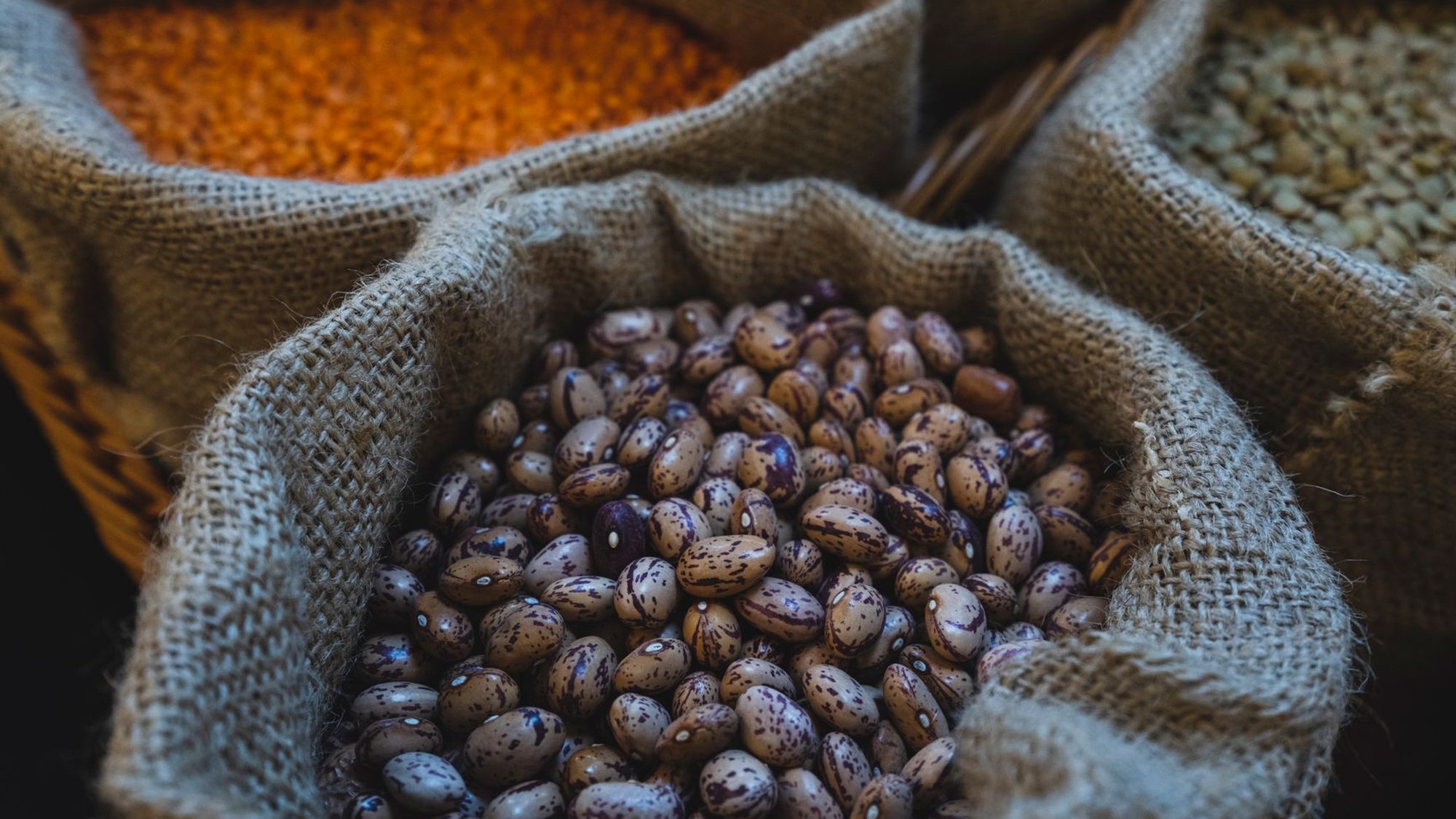
Legumes combine carbohydrates, fibre, and protein in a single food — a particularly favourable profile. Vegetables provide carbohydrates in such small amounts that they barely register as a calorie contribution, yet make a significant contribution as a source of fibre and micronutrients. Anyone who puts these three groups at the centre of their diet has largely answered the carbohydrate question in practice.
Added sugar: where the limit lies
The World Health Organization (WHO) recommends limiting added sugar to less than 10 percent of daily energy intake — at 2,000 kcal that is roughly 50 g or twelve teaspoons. Below 5 percent, additional benefits are possible. For comparison: a 500 ml bottle of cola already contains around 53 g of sugar.
Added sugar is found in soft drinks, fruit juices, confectionery, but also in many savoury ready-made products, sauces, and yoghurts. The challenge is the disguise: on ingredient lists, sugar appears under more than 50 different names — from fructose syrup to dextrose to maltodextrin. A simple filter: the further up a sugar name appears in the ingredient list, the more is present.
How many carbohydrates you need
There is no universal answer. Most nutrition societies recommend 45 to 65 percent of energy from carbohydrates — primarily from unprocessed sources. People with high physical activity, especially endurance athletes, benefit from a higher proportion for glycogen storage. People who want to stabilise their blood sugar or have insulin resistance may benefit from a lower proportion.
Rather than reducing carbohydrates across the board, it is worth making swaps: white bread for wholegrains, sugary drinks for water or unsweetened tea, processed snacks for nuts or fruit. This qualitative swap improves your diet more than tracking gram targets.
Recognising nutrition patterns with YUTHI
In the YUTHI app you can observe which carbohydrate sources dominate your diet — and how they affect your energy levels throughout the day. Log when you ate wholegrains or legumes — and how it felt. Patterns become visible when you track them over several weeks. This is not calorie counting, but self-awareness.
That was the snapshot. The app turns it into daily support.
Measure every day instead of calculating once: Vito or Vita puts your numbers in context, builds you a weekly plan and speaks up when something stands out.
Launching at the end of 2026 — iPhone first, Android to follow. Let me know when it’s out ↓
Sources
- Gardner CD. et al. Effect of Low-Fat vs Low-Carbohydrate Diet on 12-Month Weight Loss in Overweight Adults. JAMA. 2018;319(7):667–679.
- Reynolds A. et al. Carbohydrate quality and human health: a series of systematic reviews and meta-analyses. Lancet. 2019;393(10170):434–445.
- World Health Organization. Guideline: Sugars intake for adults and children. WHO. 2015.
- Ludwig DS. et al. Dietary carbohydrates: role of quality and quantity in chronic disease. BMJ. 2018;361:k2340.