
Diagnostics
Everything on measuring and understanding: blood markers, body composition and biological age — explained simply, with sources.

Microbiome test: useful or a waste of money?
A look at the bacteria in your gut sounds tempting. But what can commercial microbiome tests really do – and where do they sell you more certainty than the science can actually deliver?
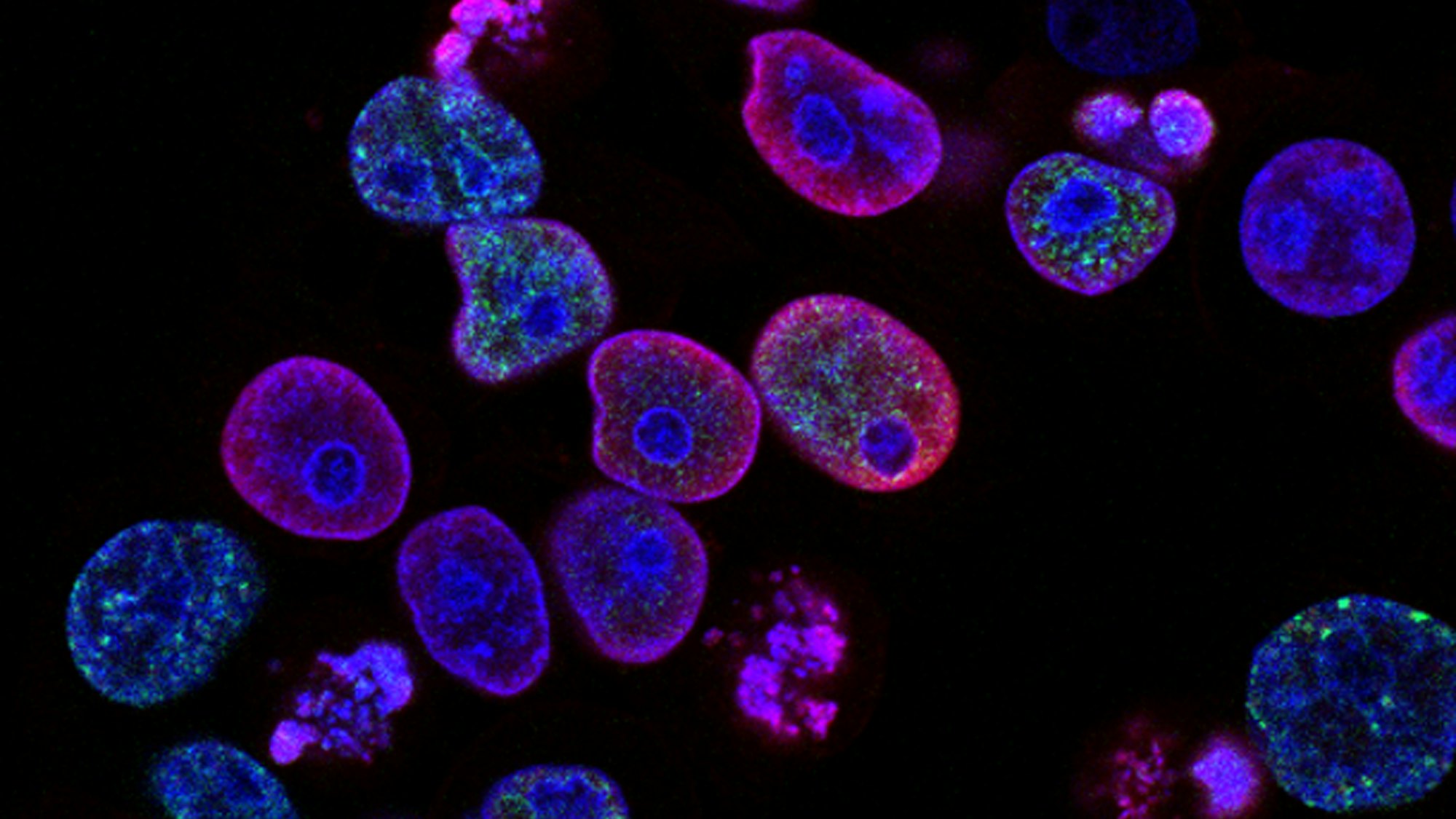
Inflammaging: When silent inflammation drives ageing
Chronic low-grade inflammation is considered one of the central mechanisms of ageing. What hsCRP and IL-6 reveal – and what the evidence on countermeasures really shows.

ApoB instead of LDL: the better marker for your heart risk?
Most people look only at their LDL level. Yet another marker often reflects your cardiovascular risk more accurately: ApoB. What's behind it and when it makes sense.

The most important longevity biomarkers at a glance
Which lab values actually tell you something about your health span? A sober overview of the markers that matter most in longevity medicine.
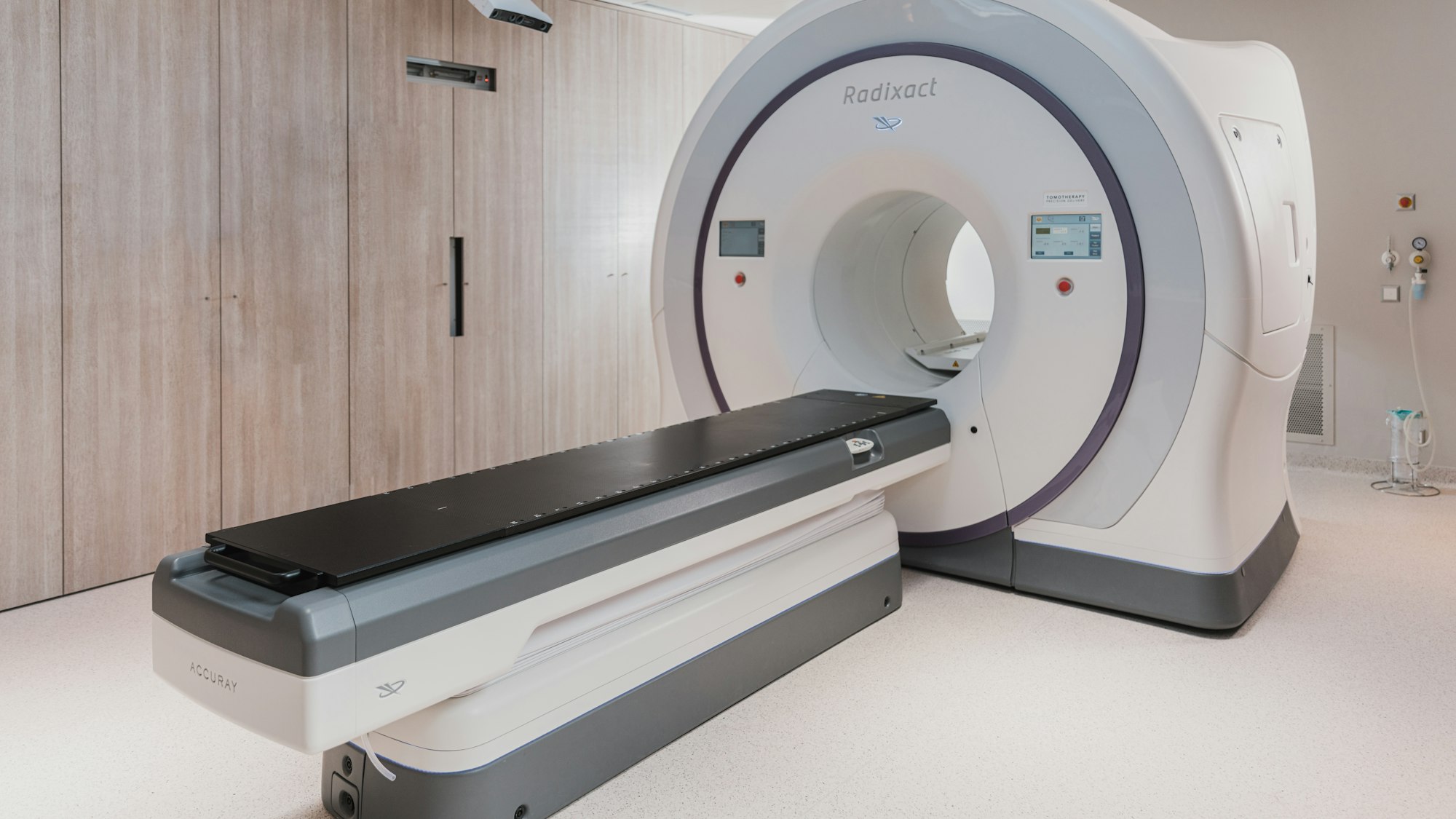
DEXA Scan: body composition instead of BMI
BMI does not tell you what your body is made of. A DEXA scan shows exactly how much muscle, fat and bone you have – and why that is precisely what matters for a long life.

Epigenetic clocks: how old are you really?
Your ID states your age in years – your cells may see things differently. Epigenetic clocks try to measure your biological age. What holds up, and what doesn't.

Measuring blood pressure correctly: Why a single reading at the doctor's often misleads
Blood pressure at the doctor's is often higher than at home — this is no coincidence, but the so-called white-coat effect. If you want to know your actual blood pressure, you need multiple readings under everyday conditions or an ambulatory 24-hour measurement.

Ferritin: Why this marker shows more than iron deficiency
Ferritin is considered an iron storage marker — and is often not included in standard blood panels. Yet it has a dual character: as an inflammation marker it rises even when iron stores are simultaneously depleted.

Genetic tests: what APOE4, MTHFR and others really tell you — and where the limits lie
Consumer-friendly genetic tests promise insight into your own DNA. What they actually show, which variants are genuinely relevant, and how to interpret results without being unsettled by risk percentages.

HbA1c and Insulin Resistance: Using Glucose Metabolism as an Early Warning System
Type 2 diabetes often announces itself years in advance — before anyone diagnoses it. HbA1c and fasting blood glucose show you where you stand on that scale, and give you the chance to take action in time.

Cardiac ultrasound for prevention: When an echo is useful and what it shows
Blood markers reveal a lot about cardiac risks — but they don't show how the heart itself is structured. An echocardiogram makes heart size, valve condition and pumping function visible. When this examination is useful in longevity diagnostics.
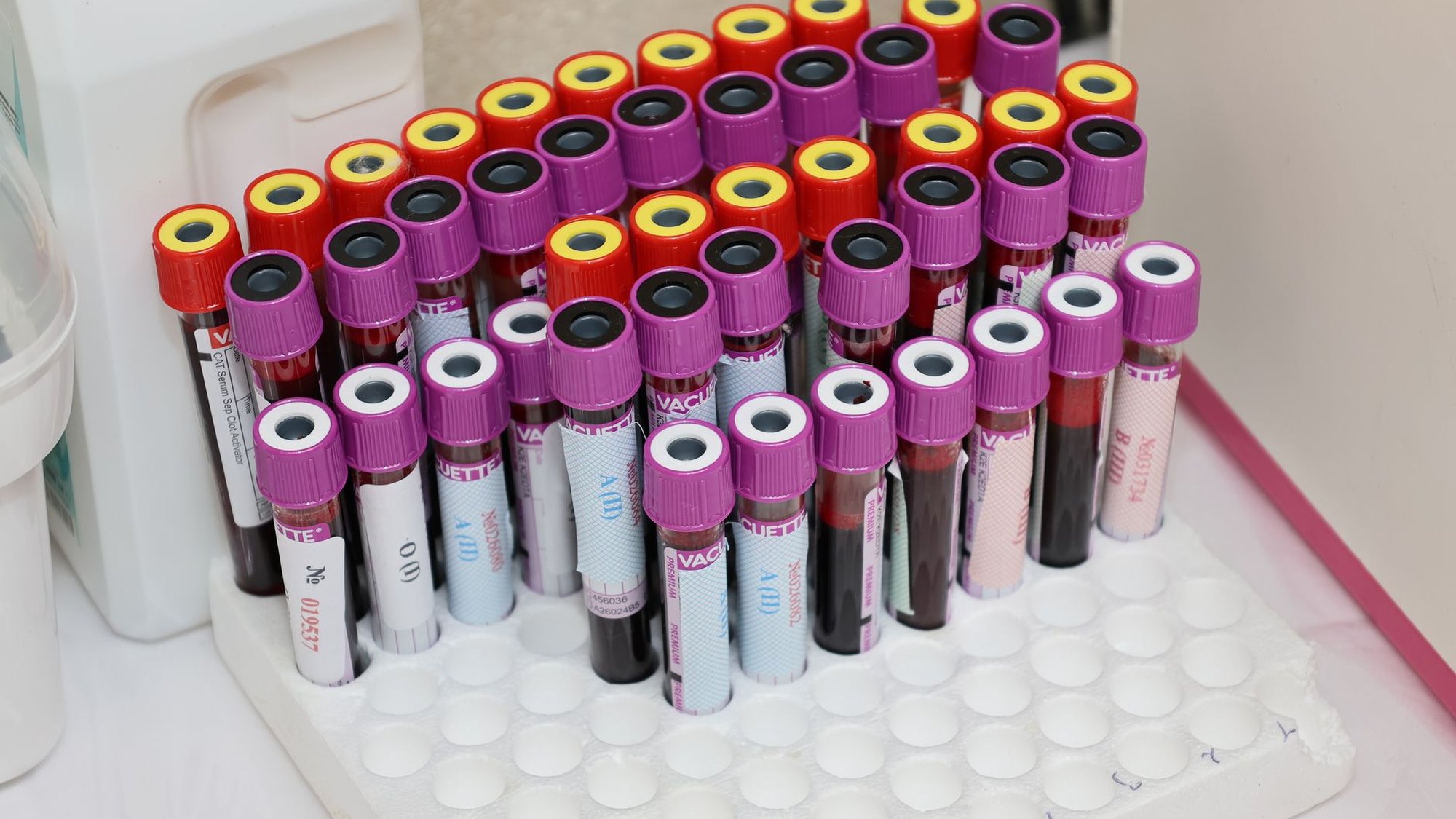
Homocysteine: The overlooked marker for heart, brain and cellular ageing
Homocysteine rarely appears in standard blood panels — even though the research shows that elevated levels can be associated with a higher risk of heart attack, stroke and cognitive decline. What you should know about this marker.

Hormone status from 40: What testosterone, oestrogen and DHEA tell you
From around 40, hormone levels change in both men and women — often gradually and without a clear trigger. A targeted hormone panel gives clarity about where you stand and shows whether action is needed.

Measuring hsCRP: The inflammation marker that reassesses your heart risk
Standard CRP tests miss low-level inflammation that can still raise heart risk. High-sensitivity CRP makes it visible — and is part of an important group of markers that goes far beyond the acute infection.

Measuring bone density: detecting osteoporosis risk before fractures occur
Osteoporosis is known as a silent disease — bones thin without pain until a fracture delivers the first clear warning. A DXA bone density scan makes your bone status visible and shows whether action is needed.

Reading liver values: what GGT, ALT, and AST reveal about your metabolism
Slightly elevated liver values are easy to overlook in a lab report — but they can be silent signals of a fatty liver, excessive alcohol use, or certain medications. What the most important markers mean and when a conversation with your doctor makes sense.

Liquid biopsy: what the new generation of early cancer detection tests can do
A blood test that screens for dozens of cancer types simultaneously — that is the promise of the new generation of MCED tests (Multi-Cancer Early Detection). What the evidence shows, where the limits lie, and what you can realistically expect from this approach.

Omega-3 Index: Why this marker is missing from the standard lipid panel
EPA and DHA from omega-3 fatty acids protect the heart and brain — that's well established. But how much of them you actually have in your cells is not shown by a standard blood test. The Omega-3 Index measures exactly that.

Testing your thyroid properly: why a basic TSH value is often not enough
TSH is the most common thyroid value in routine blood tests — but it only shows whether the control mechanism is working, not whether the thyroid is delivering the right hormone in sufficient form. Which values you should also know about.

Measuring telomere length: what the test reveals about your biological age
Telomeres protect the ends of your chromosomes like the plastic tips on shoelaces — and get shorter with every cell division. What a telomere length test actually measures, how reliable it is, and what you can do with the result.