
Iodine and the thyroid: why this mineral is often underestimated
Iodine is the mineral that almost nobody has too much of — and whose deficiency counts among the most common preventable health problems worldwide. What iodine has to do with the thyroid and who should pay particular attention.
Why the thyroid needs iodine
The thyroid is the only gland in the body that concentrates a specific mineral from the blood: iodine. It needs iodine to produce the thyroid hormones T3 (triiodothyronine) and T4 (thyroxine). These hormones regulate basal metabolic rate, heart rate, body temperature, gut motility, brain development and muscle function. Without sufficient iodine, the thyroid cannot produce these hormones in adequate quantities.
The consequence of persistent iodine deficiency is initially an enlargement of the thyroid — a so-called goitre (struma) — because the gland tries to extract more iodine from the blood by growing. Over the long term, hypothyroid symptoms develop: fatigue, weight gain, sensitivity to cold, difficulty concentrating, low mood and a slowed heartbeat.
Iodine supply in Switzerland and the German-speaking region
Switzerland has historically been a classic iodine-deficient area — far from the sea, without natural iodine sources in the soil. Since the introduction of iodised table salt in the 1920s, the situation has improved considerably. However, studies by the Federal Food Safety and Veterinary Office (FSVO) show that supply remains borderline, particularly for children and pregnant women.
In Germany too, iodine supply is inadequate according to the research — despite iodised table salt. The trend towards less salt in the diet, towards organic foods (organic salt is often not iodised) and in particular towards plant-based eating (little fish, no dairy) increases the risk.
The best dietary sources of iodine
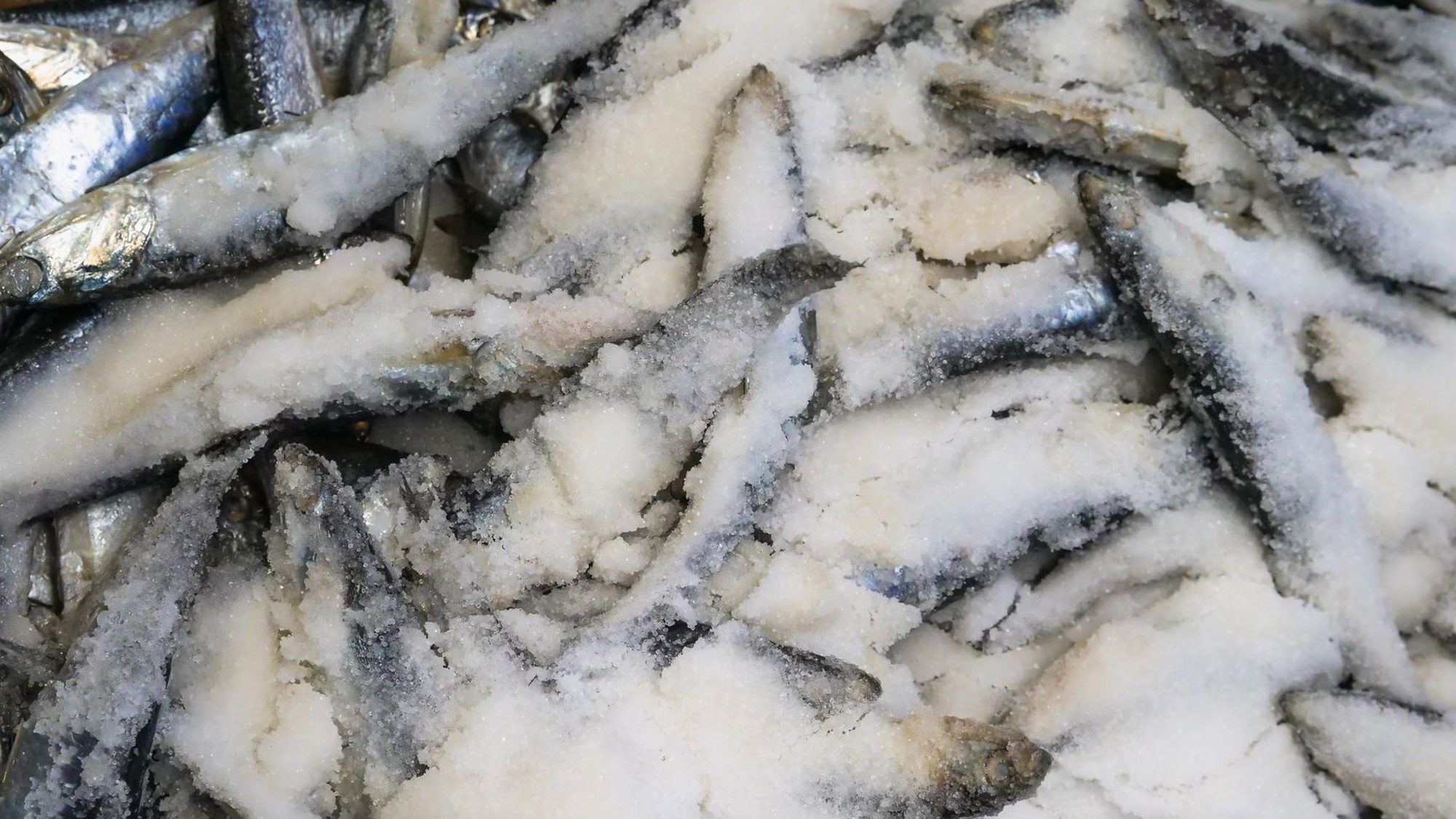
Seafood and ocean fish (cod, plaice, shrimp) are the richest natural sources of iodine. Eating sea fish twice a week easily covers the daily requirement of 150 to 200 µg. Milk and dairy products contain iodine from animal feed and agricultural iodine supplementation programmes — a glass of milk provides around 80 to 100 µg.
Seaweed is theoretically very high in iodine — sometimes in extreme amounts. Nori (used for sushi) provides moderate levels, whereas kelp and wakame can far exceed safe limits. Anyone using seaweed as an iodine source should choose varieties with a known iodine content. Iodised table salt remains the simplest, most reliable everyday source.
Who should pay particular attention
Pregnant and breastfeeding women have an increased iodine requirement (220 to 260 µg per day), because iodine is essential for the child's brain development. Iodine deficiency during pregnancy is the most common preventable cause of intellectual disability worldwide. Gynaecological societies therefore generally recommend an iodine supplement throughout pregnancy and breastfeeding.
People who eat a vegan or predominantly plant-based diet avoid fish and dairy — the main sources of iodine. Since vegan alternatives (oat, almond, and soy drinks) typically contain no iodine, the risk of deficiency is real. A supplement providing 150 µg of iodine per day, or consistent use of iodised salt, is sensible in this case.
Too much iodine: when good intentions backfire
Iodine is one of the few micronutrients where both deficiency and excess can damage the thyroid. The World Health Organization recommends an upper safety limit of 600 µg per day for adults. People who consume high-iodine seaweed products daily or combine multiple supplement sources can easily reach this level.
Extra caution applies to people with existing thyroid conditions (Hashimoto's, Graves' disease) — they are more sensitive to fluctuations in iodine intake. Before starting iodine supplementation in these cases, it is advisable to consult a doctor.
Keeping an eye on thyroid values with YUTHI
In the YUTHI app you can log thyroid values such as TSH, fT3 and fT4 and track them over time. If you belong to a risk group — plant-based diet, pregnancy, low seafood intake — a regular check makes sense. The app helps you spot changes over time and come to your next doctor's appointment with specific questions.
That was the snapshot. The app turns it into daily support.
Measure every day instead of calculating once: Vito or Vita puts your numbers in context, builds you a weekly plan and speaks up when something stands out.
Launching at the end of 2026 — iPhone first, Android to follow. Let me know when it’s out ↓
Sources
- Zimmermann MB. Iodine deficiency. Endocr Rev. 2009;30(4):376–408.
- Bundesamt für Lebensmittelsicherheit und Veterinärwesen (BLV). Jodversorgung der Schweizer Bevölkerung. BLV. 2020.
- Leung AM. et al. Iodine status and thyroid function of Boston-area vegetarians and vegans. J Clin Endocrinol Metab. 2011;96(8):E1303–E1307.
- World Health Organization. Assessment of Iodine Deficiency Disorders and Monitoring their Elimination. WHO. 2007.