
Nutrition
Everything on nutrition and nutrients: protein, vitamins, fibre and supplements — explained simply, with sources.
Omega-3 & heart health: what the studies really show
Fish oil capsules have long been considered a classic for heart protection – but the evidence is more nuanced than their reputation suggests. What omega-3 fatty acids do for your heart, who benefits most and when supplementation really makes sense.

How much protein you really need after 50
As you age, the body responds less well to protein – and needs more of it, not less. How much protein makes sense after 50 and where to get it.

Vitamin D in winter: do you really need supplements?
From October to March the sun in our latitudes is too low for the skin to produce vitamin D. What this means, who is affected and when supplements make sense.
Creatine: not just for muscles, but also for the brain?
Creatine is one of the most thoroughly researched dietary supplements there is. What it can do for strength, ageing and even concentration – and what it cannot.
Fibre & Microbiome: the underestimated longevity factor
A whole ecosystem lives in your gut – and fibre is its most important food. Why these unassuming plant fibres are so closely linked to your health.
Intermittent fasting 16:8: what the research actually shows
16 hours of fasting, 8 hours of eating – few dietary trends are as popular. What happens in your body, what the research proves, and who should avoid 16:8.

Alcohol and health: what the current research really shows
For a long time, a glass of red wine was considered heart-protective. That message has changed. What do current studies say about alcohol and health — and how clear-cut is the evidence really?
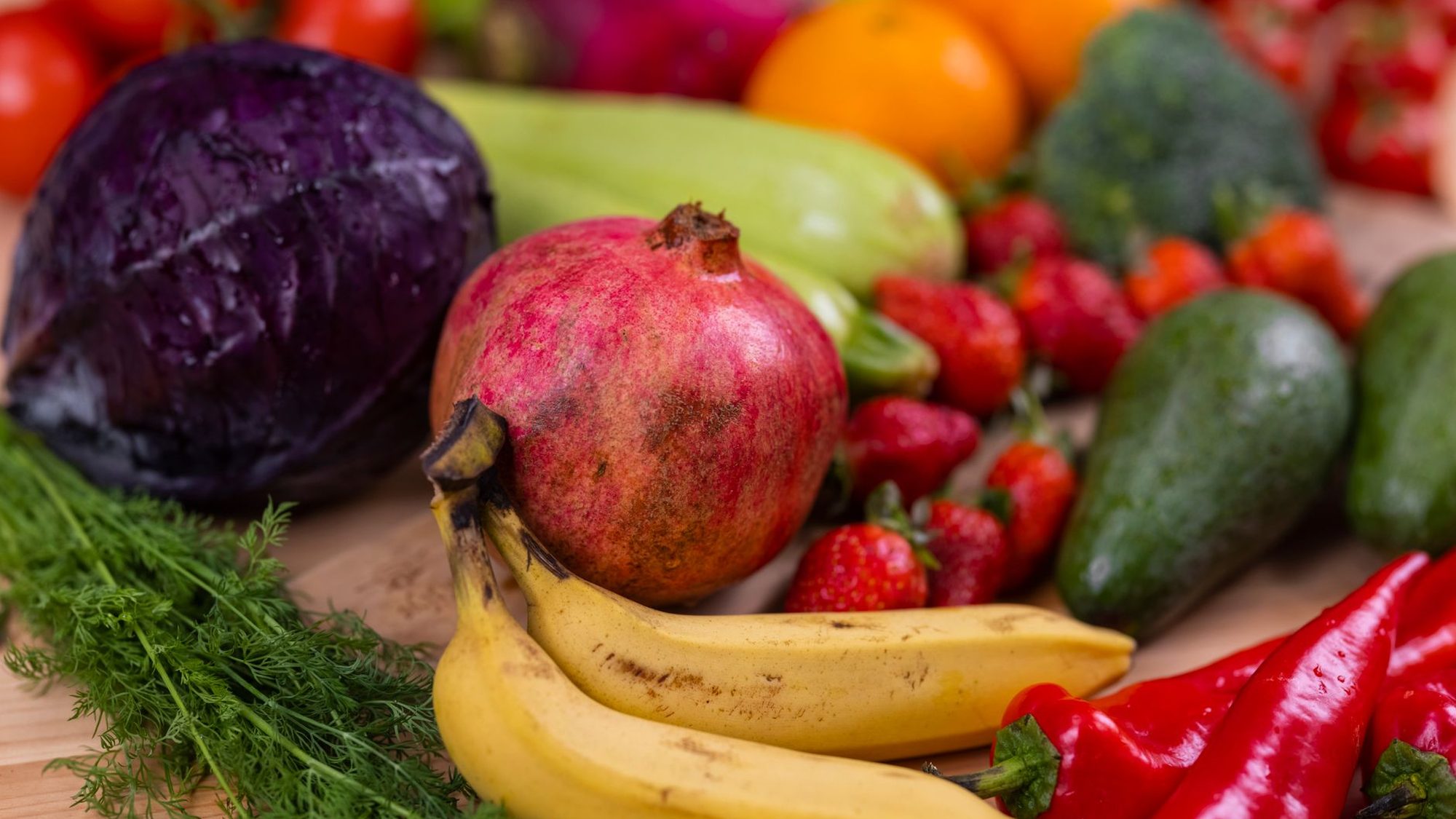
Antioxidants: What Vitamin C, E and Beta-Carotene actually do
Antioxidants are seen as guardians against free radicals and ageing. What is behind this concept — and why have large clinical trials with antioxidant supplements so often disappointed?
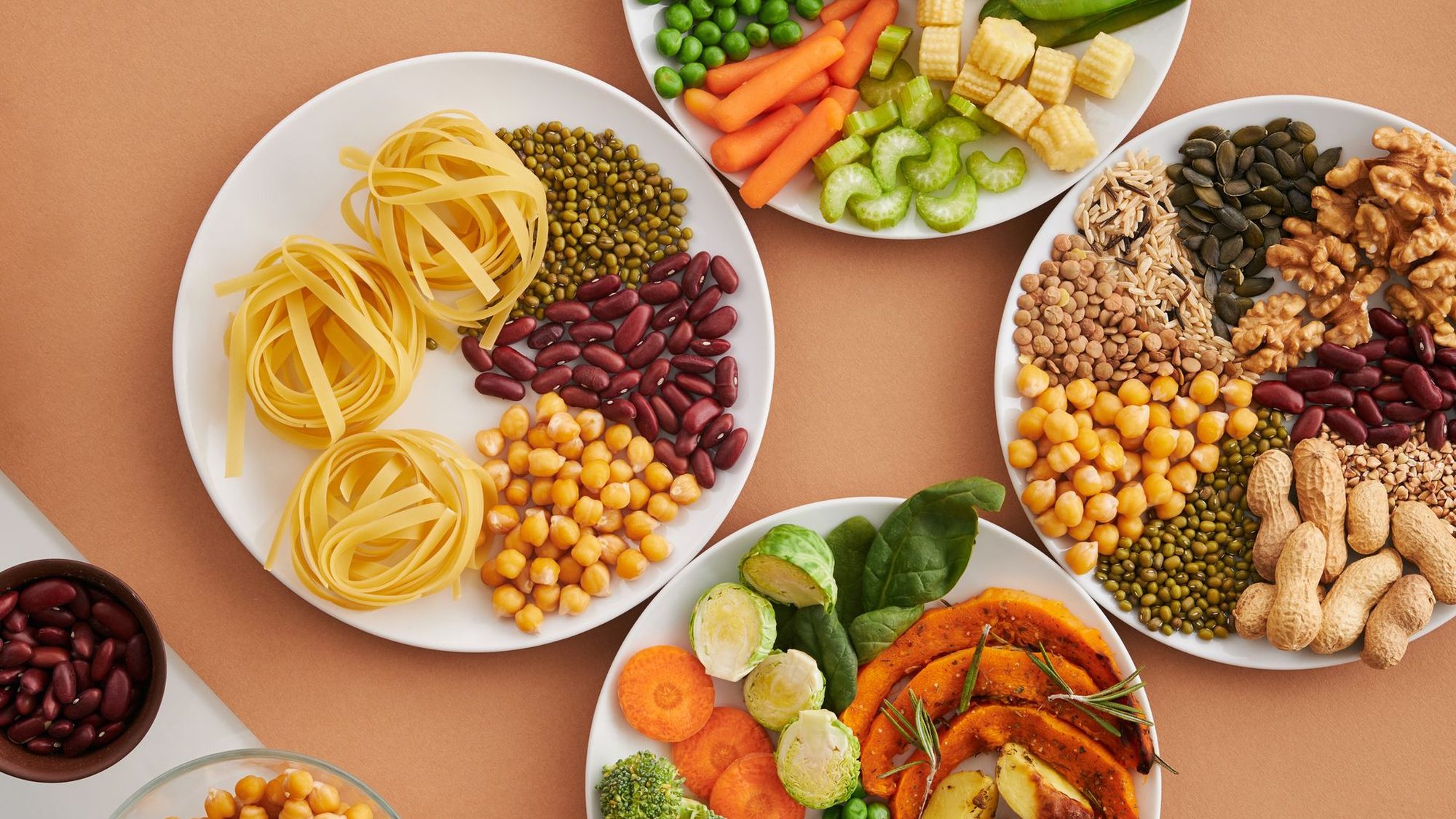
Stabilising blood sugar: How nutrition affects your glucose levels
Large blood sugar swings drain energy, drive cravings, and put long-term strain on your metabolism. With the right eating habits you can keep your levels more stable — without avoiding carbohydrates altogether.
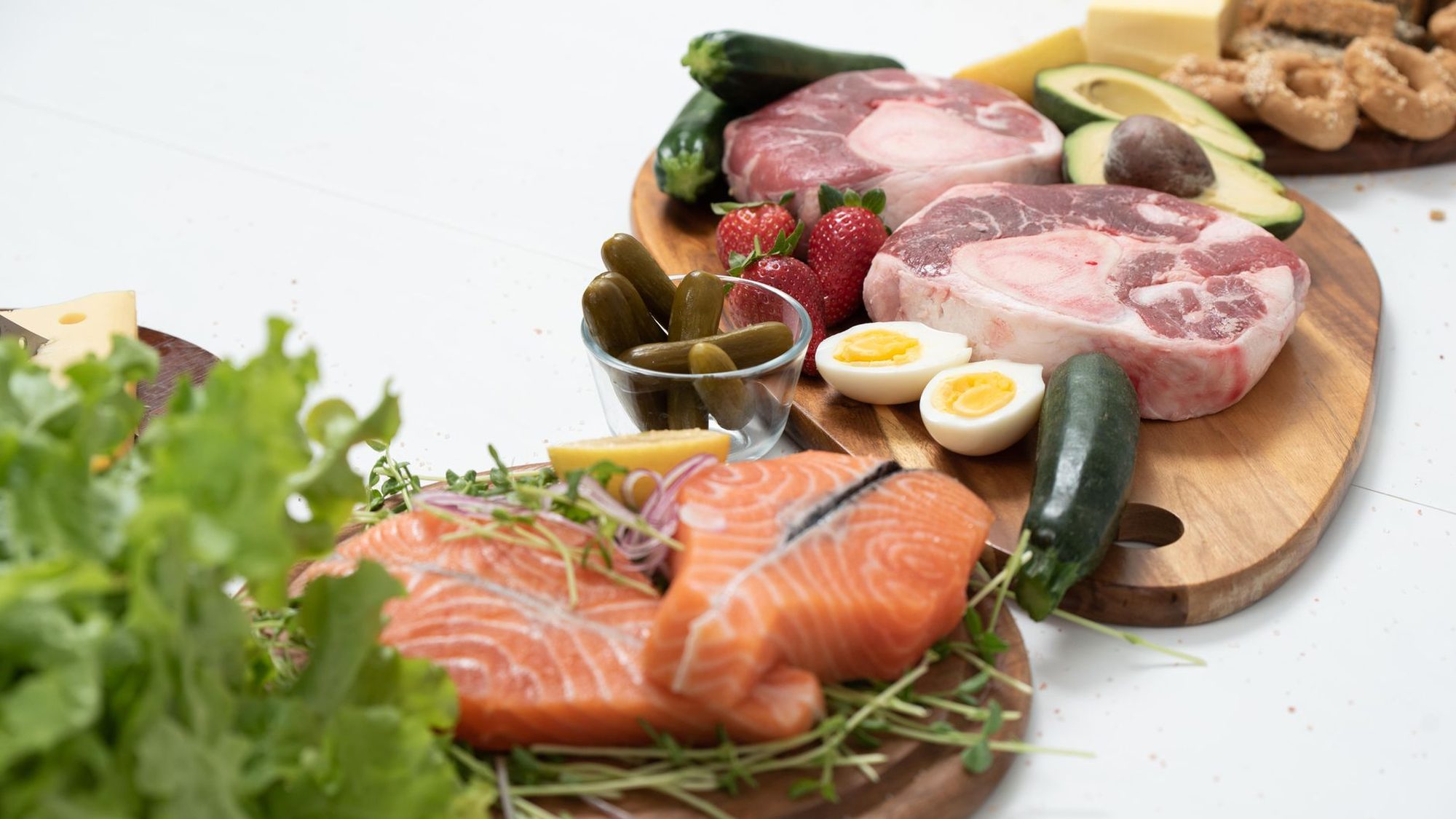
Choline: The underrated nutrient for brain and liver
Most people have never heard of choline — yet it is essential for the brain, nerves, and liver. Studies show that a large part of the population is not getting enough. Here is what you should know.

Chronobiological nutrition: when you eat can matter just as much as what you eat
Your body follows an internal clock — and this rhythm influences how well you process meals. Late large meals in the evening, skipping breakfast, eating in the middle of the night: here is what that means for blood sugar, weight, and sleep.

Anti-inflammatory eating: what the concept is really worth
Anti-inflammatory diet is one of the most searched nutrition terms. What is behind it? Chronic inflammation is real — but the concept of anti-inflammatory eating is often oversimplified. A sober check.

Fermented foods: what yoghurt, kefir and kimchi actually do
Yoghurt, kimchi, sauerkraut, kefir — fermented foods have been hyped for years. What's behind it? What do human studies show — and where does the effect stop?
Iodine and the thyroid: why this mineral is often underestimated
Iodine is the mineral that almost nobody has too much of — and whose deficiency counts among the most common preventable health problems worldwide. What iodine has to do with the thyroid and who should pay particular attention.

Caffeine: Performance, sleep, and what you should know about your cup
Caffeine is the world's most widely consumed psychoactive substance — and one of the most thoroughly researched. What happens in your body after that first coffee, how long does caffeine last, and where is the limit?
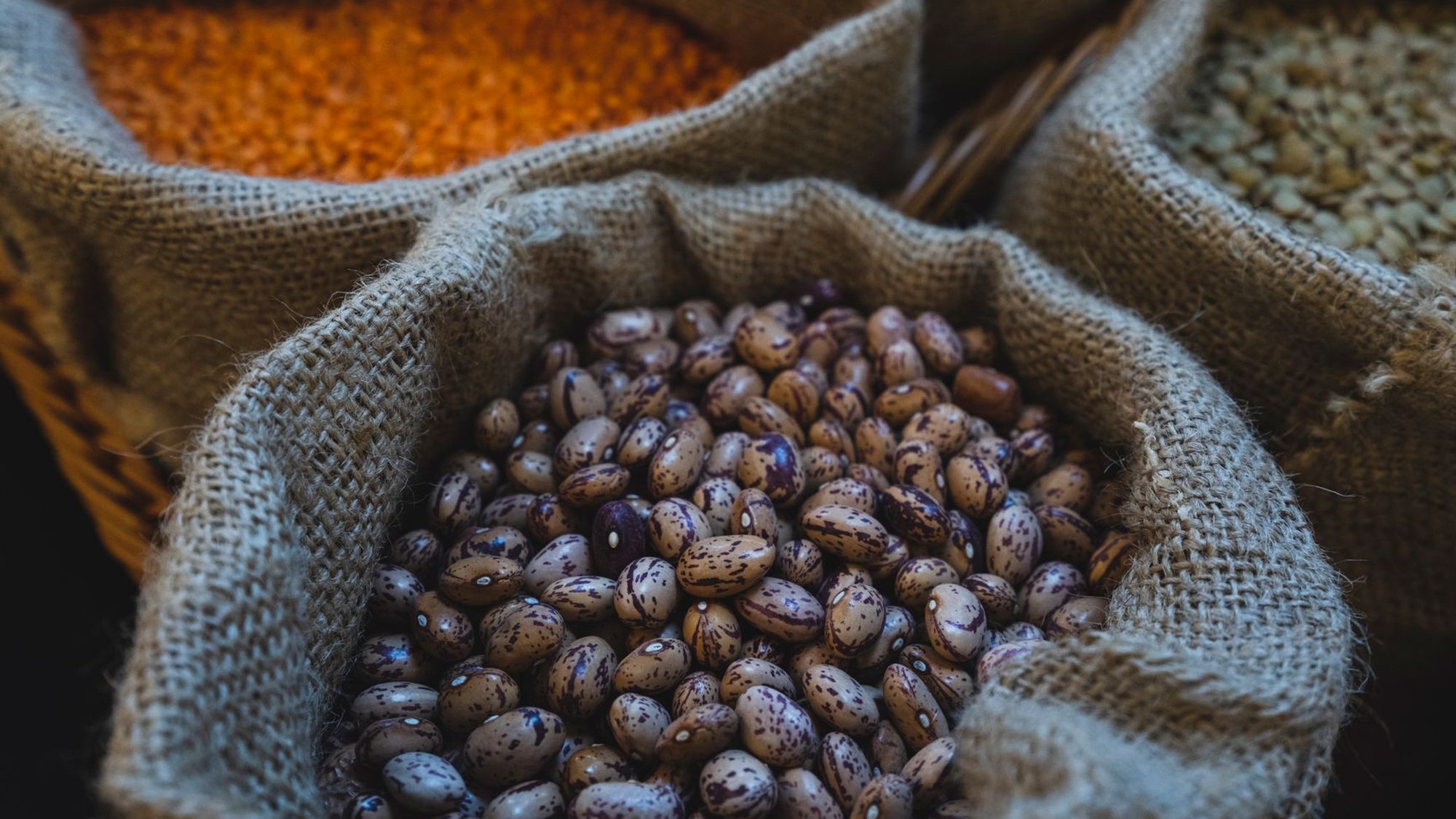
Carbohydrates: Simple, Complex, Low-Carb – What Really Matters
For some, carbohydrates are the enemy; for others, an indispensable energy source. The truth lies somewhere in between — and in the details. What the research really says about carbohydrates, insulin, and body weight.
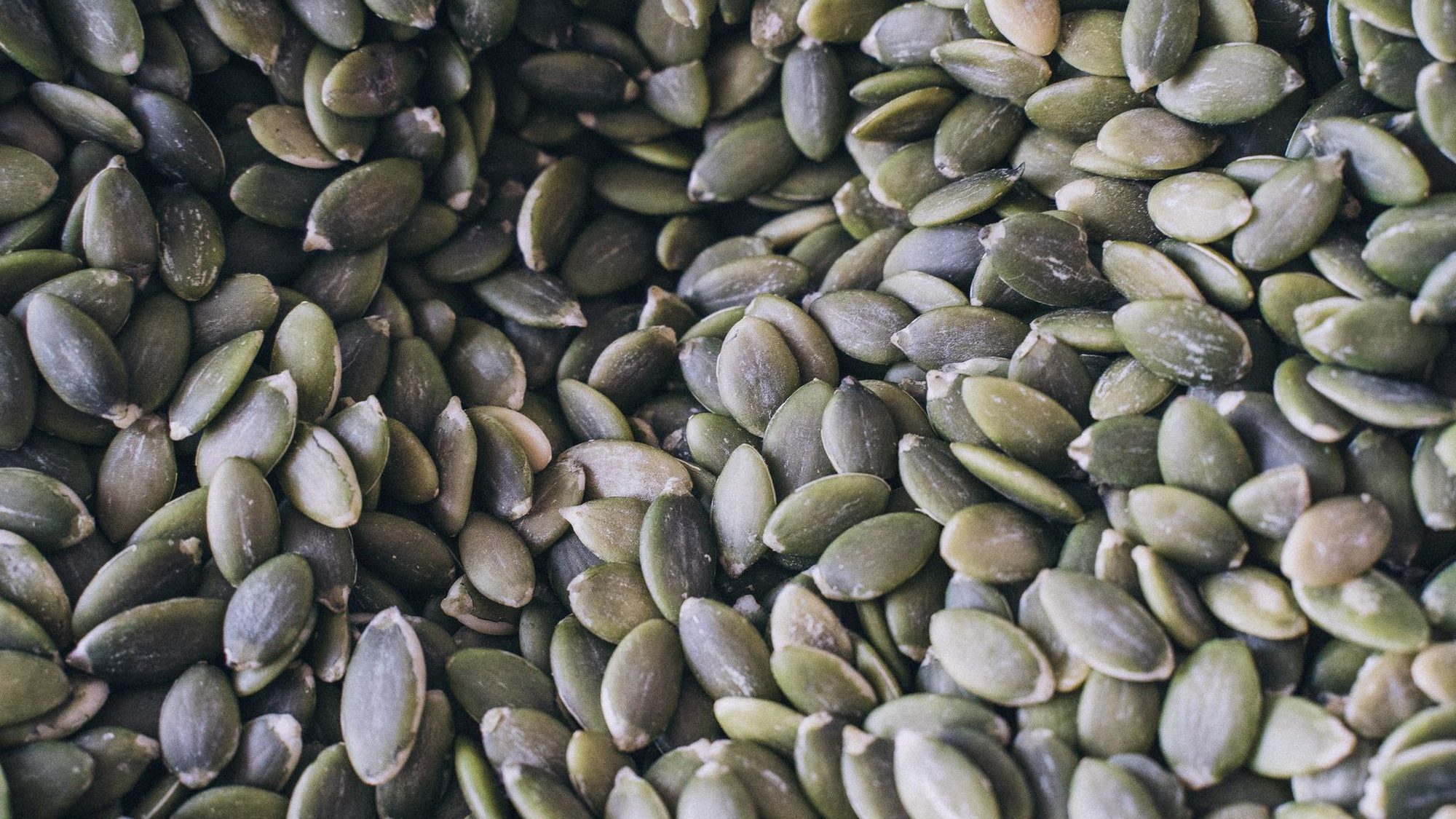
Magnesium: When it is really necessary and what the studies show
Magnesium is often seen as a cure-all for fatigue, cramps and poor sleep. What does the evidence actually say? A sober look at the study data — and when a supplement might genuinely make sense.

Mediterranean Diet: What the Long-Term Studies Really Show
The Mediterranean diet is considered one of the most thoroughly researched eating patterns of all. What's really behind it — and why did two of the most significant nutrition studies examine exactly this pattern?
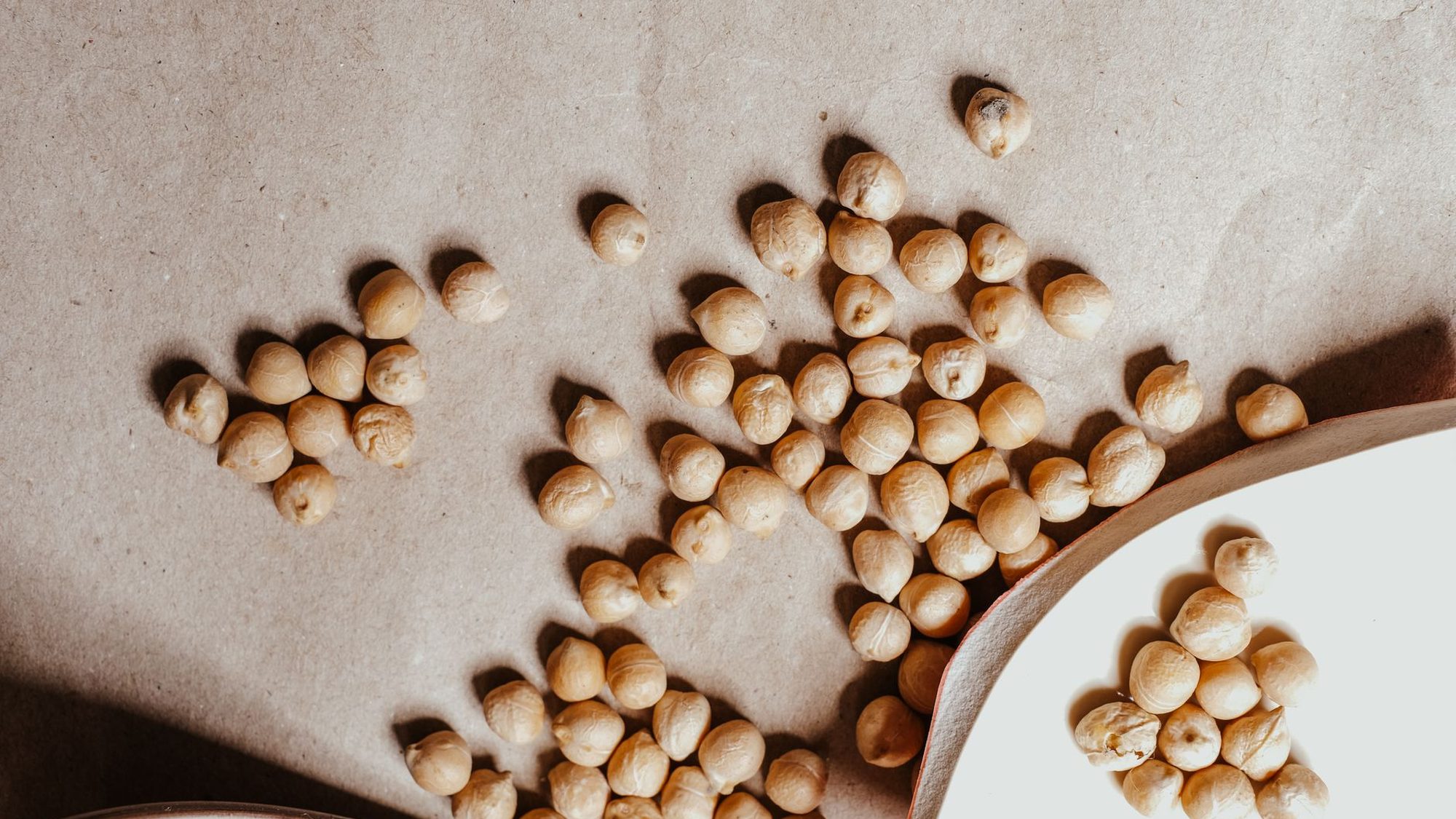
Plant vs. animal protein: What the research recommends
Whey or lentils? Meat or legumes? The question of the best protein source is not just a matter of taste — it comes down to amino acids, bioavailability and long-term health.
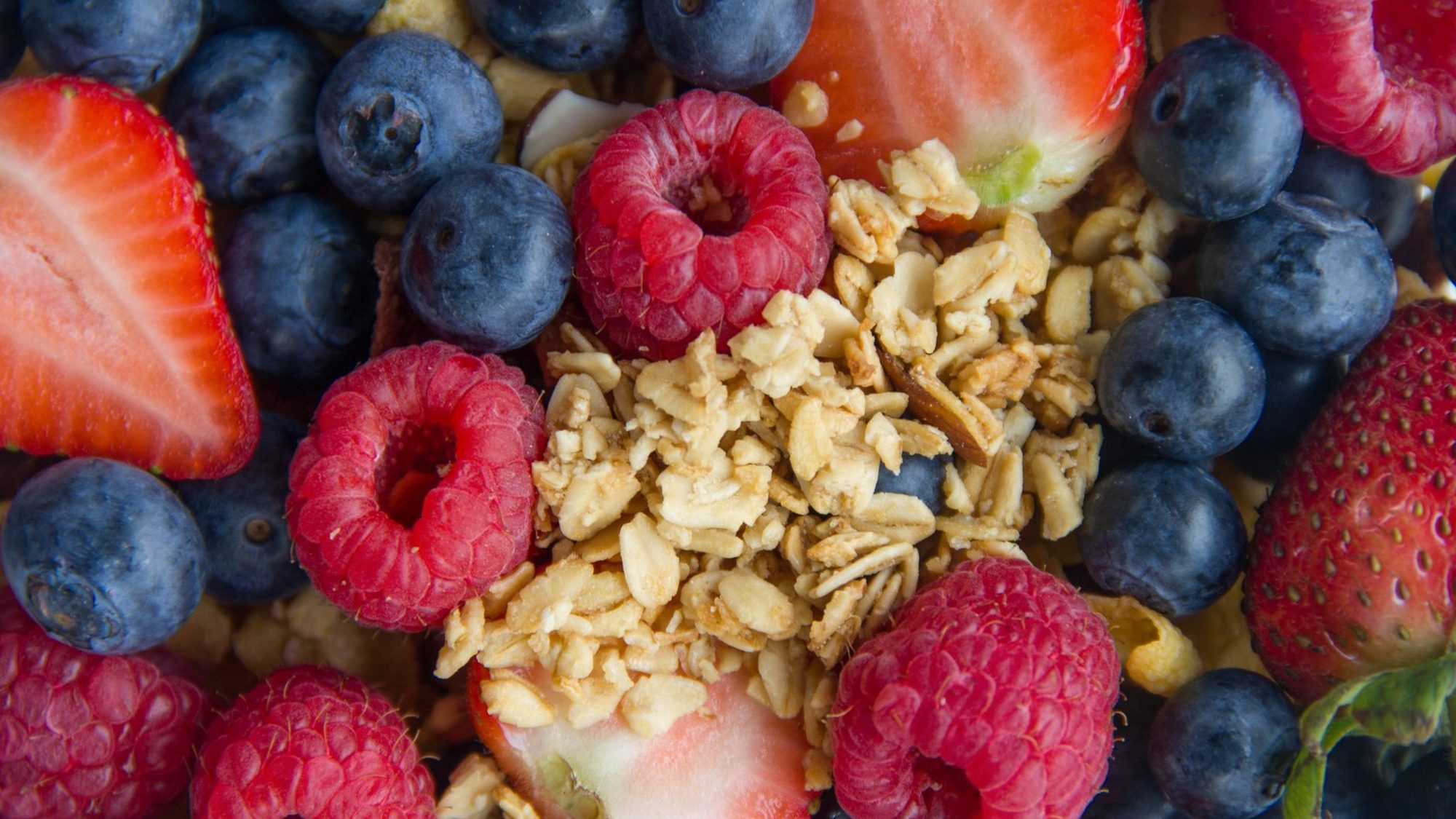
Polyphenols: The plant compounds that can dampen inflammation
Berries, olive oil, green tea, dark chocolate — all these foods have one thing in common: they are rich in polyphenols. What these plant compounds do in the body, and where the limits of the hype lie.
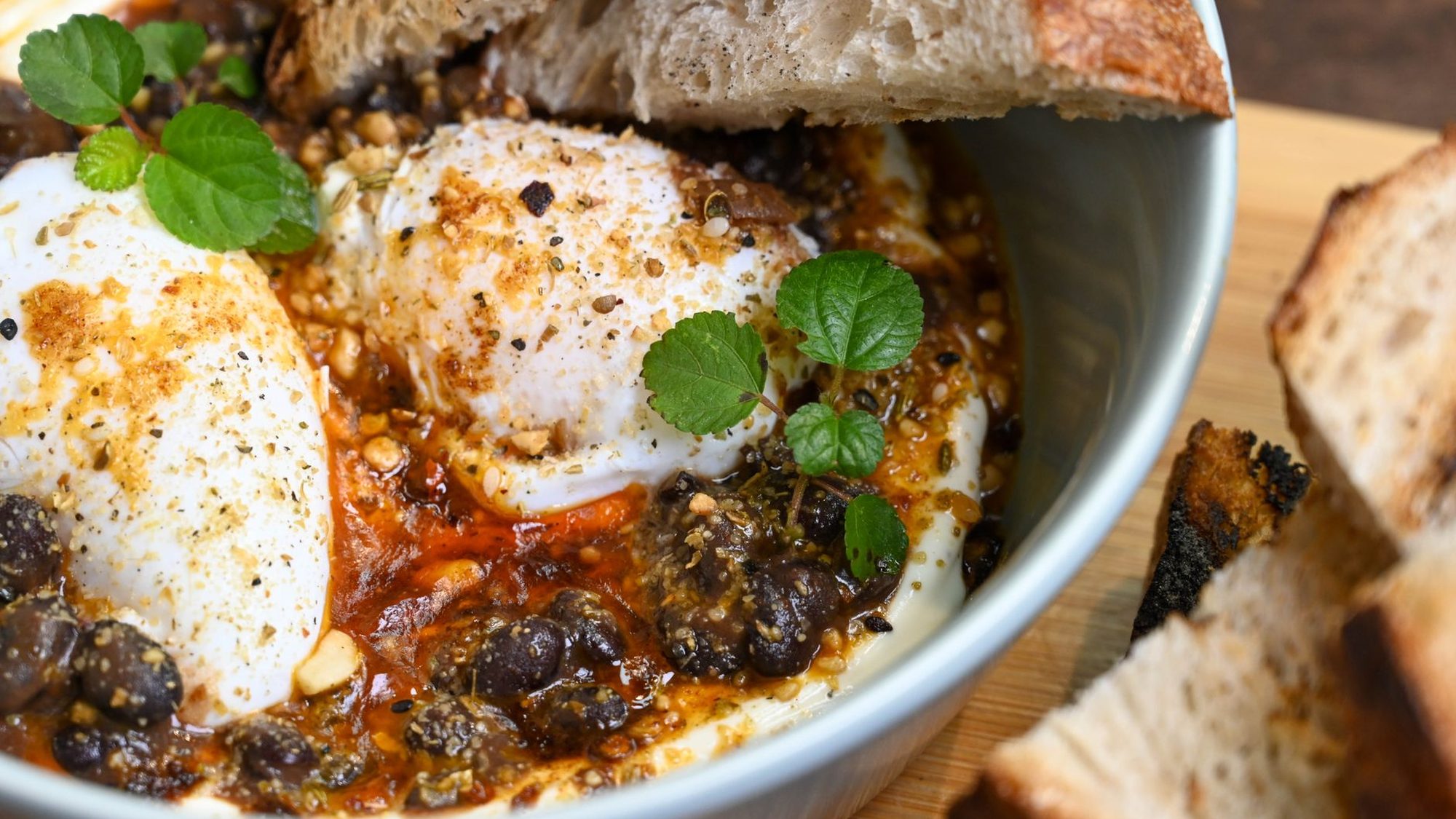
Staying full: what really controls hunger and satiety
Why are you hungry again two hours after lunch? And why does porridge keep you fuller than a croissant with the same number of calories? The answers lie in your body's hormonal regulation.

Vitamin B12: When deficiency threatens and how to recognise it
Vitamin B12 is essential for the nervous system and blood formation — and a deficiency can develop gradually with non-specific symptoms. Who is most at risk and what a blood test can reveal.

Zinc: Immune system and hormone metabolism in check
Zinc is often marketed as a cold remedy. But what's really behind it? Zinc is indeed essential for many bodily functions — but the benefit of a supplement depends largely on how well supplied you already are.

How much water should you drink a day? Why the two-litre rule wasn't made for you
Two litres of water a day is treated as gospel. The research tells a different story: your needs depend on your body, activity and the weather; coffee and food count too, and drinking too much at once can actually be dangerous. Here's how to find your own personal benchmark.